10 Practices for Women Who Are Tired of Being Strong
Permission to Stop Being the Strong One: What Happens When You Finally Let Yourself Break
I was strong for so long, I forgot it was a choice.
Strong when my ex-husband's violence damaged my neck. Strong when my mother used me as a meal ticket. Strong when I worked four jobs to support everyone. Strong when my body was screaming for rest. Strong when my daughter Rose needed me to be vulnerable, not invincible.
Being strong wasn't serving me. It was killing me.
But I didn't know how to be anything else. Strength was my identity. It's how I survived childhood abuse. It's how I navigated an abusive marriage. It's how I kept everyone around me comfortable while I was falling apart inside.
Women are praised for being strong. We're told strength is a virtue, that resilience is admirable, that our ability to handle anything is impressive.
But nobody talks about the cost of constant strength.
The exhaustion of never being able to fall apart. The loneliness of always being the one others lean on but never leaning on yourself—the disconnection from your own vulnerability, your own needs, your own humanity.
We become so good at being strong that we forget we're also allowed to be soft. We forget that strength without softness is just armor. And armor gets heavy.
I had to completely collapse before I learned I was allowed not to be strong.
Bedridden for months. Too sick to maintain the performance. Too depleted to hold it together. My teenage daughter seeing me at my absolute weakest—crying, unable to care for myself, completely vulnerable.
And something unexpected happened: in my weakness, healing became possible.
Rose and I finally had real conversations. We talked about the trauma we'd both experienced. We grieved together. We acknowledged that my constant strength had actually created distance between us—she couldn't connect with someone who was always performing invincibility.
My weakness brought us closer than my strength ever did.
This is what nobody tells you: softness creates connection in ways strength never can.
When you're always strong, people can't see you. They can't support you. They can't be real with you because you're not being real with them.
Your strength becomes a wall between you and genuine intimacy.
I'm not saying strength is bad. Strength got me through impossible situations. Strength kept me alive when nothing else would.
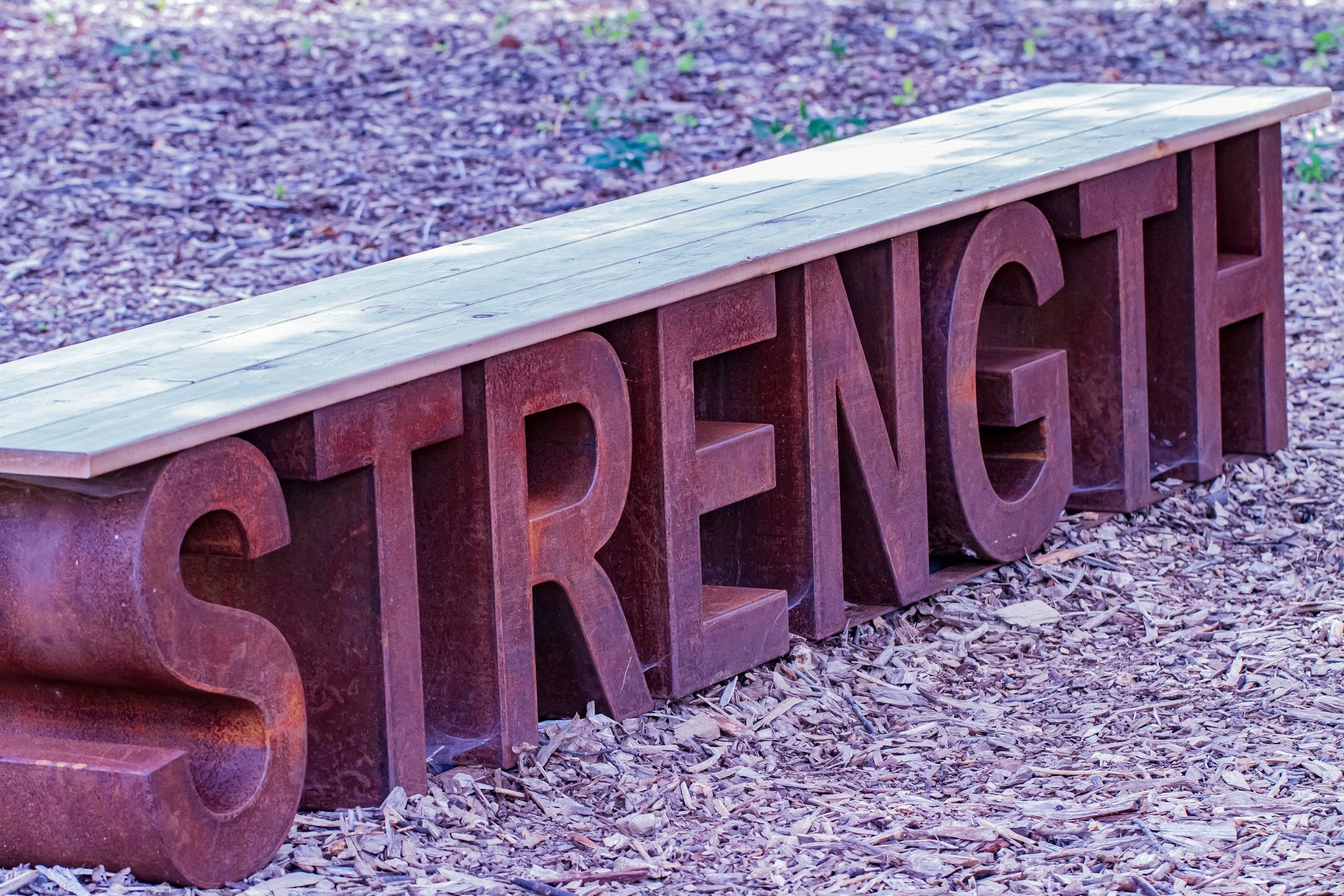
But strength was supposed to be temporary—something I accessed when necessary, not my permanent state of being.
And for so many women, especially those of us who've survived trauma, strength became our default. We learned early that showing vulnerability meant getting hurt. That asking for help meant being a burden. That softness was dangerous.
So we became strong. And we stayed strong until our bodies forced us to stop.
This is your invitation—your permission slip—to stop being strong before your body forces you to.
To let yourself be vulnerable, imperfect, needy, weak, human.
To discover that people can actually handle your realness. That relationships deepen when you stop performing. That you can be loved not despite your weakness but because you finally let someone see it.
You've been strong long enough. You're allowed to soften now.
My Soft Living Codes for Releasing Constant Strength
My Soft Living Codes became: Softness Is Not Weakness, Vulnerability Creates Connection, I Don't Have to Hold It All Together, Being Human Includes Breaking, and My Worth Isn't In My Strength.
These codes guide me when the old pattern says I have to be strong, when guilt says showing vulnerability is burdening others, and when fear says softness isn't safe.
This is transformative work in The Soft Hearts Society™—learning that we can be soft, vulnerable, imperfect, and still worthy of love.
"Strength was supposed to be temporary—something I accessed when necessary, not my permanent state of being."
10 Soft Practices for Women Who Are Tired of Being Strong
1. Name What Being "Strong" Has Cost You
Before you can release constant strength, you need to see what it's taken from you.
Journal on these questions:
What has constant strength cost me in relationships?
What has it cost me in terms of my health?
What has it cost me in authenticity?
What connections did I miss because I couldn't be vulnerable?
What support didn't I receive because I couldn't ask for it?
What parts of myself did I suppress to maintain strength?
Being strong cost me: Years of genuine connection with Rose. Friendships where I could be real. My health. My ability to receive care. The chance to be loved for who I actually am, not just for my strength.
In the Soft Hearts Society™, we witness the cost of constant strength together. We honor that strength that served us while also acknowledging what it took.
This week: Write down what constant strength has cost you. Be honest.
2. Identify Who Benefits from Your Strength
Some people in your life need you to stay strong because your strength serves them.
Ask yourself:
Who gets uncomfortable when I show vulnerability?
Who relies on me to hold it together?
Who has never had to be strong because I'm always strong?
Who would have to step up if I stopped being strong?
Whose life is easier because I never fall apart?
This is uncomfortable awareness. But it's necessary.
I realized: My sister benefited from my strength—I was always there to support her, so she never had to be self-sufficient. My mother benefited—I was her financial support because I was "so strong" and could handle it.
When I stopped being strong, they were uncomfortable because my strength had been serving them.
In Module 1 (Understanding Ancestral Patterns), we explore how family systems often require one person to always be strong. We learn to recognize this dynamic without shame.
Journal prompt: Who benefits from your constant strength? What would change if you stopped?
3. Practice Asking for Help
If you've been strong your whole life, asking for help feels impossible.
Start small:
Ask someone to carry something heavy.
Request support with a task
Admit you don't know something.
Say "I'm struggling" without immediately fixing it.
Let someone help you without reciprocating.
Notice the discomfort. That's your old pattern being challenged.
I couldn't ask for help. Even bedridden, I tried to take care of myself. Asking Rose for help felt like failing as a mother.
But learning to ask—and receive—help was essential to my healing.
In the Soft Hearts Society™, we practice asking for and receiving help from each other. We learn that community means mutual support, not one-directional strength.
This week: Ask for help with something. Even something small. Practice receiving it without immediately reciprocating.
4. Let Yourself Cry in Front of Someone
Crying in front of others is one of the most vulnerable acts for women who've been strong.
Choose someone safe. Someone who won't try to fix you, minimize your feelings, or make your tears about them.
Let yourself cry. Don't apologize. Don't minimize. Don't rush to stop.
Just cry. And let them witness it.
The first time I cried in front of Rose, I felt like I was failing her. But she held me. And later, she told me it was the first time she felt like she actually knew me.
My strength had created distance. My tears created a connection.
In the Soft Hearts Society, we cry together. During live calls, in our community space, we let each other witness our tears without judgment.
This month: Choose one safe person. Let yourself cry in front of them. Don't apologize. Just let them witness you.
5. Admit When You're Not Okay
Stop performing "I'm fine" when you're falling apart.
Practice saying:
"I'm not okay right now."
"I'm struggling."
"I'm overwhelmed."
"I don't know how to handle this."
"I need support."
No explanations. No minimizing. Just the truth.
For years, my automatic response to "How are you?" was "I'm fine. I'm good." Even when I was working four jobs, even when I was in chronic pain, even when I was barely holding on.
Learning to say "I'm not okay" was revolutionary.
In our Soft Life Boundary Setting work, we practice honest communication about our state. We learn that admitting we're not okay isn't complaining—it's being real.
This week: When someone asks how you are, tell the truth. If you're not okay, say so.
6. Stop Fixing Everyone Else's Problems
Being strong often means being the fixer—the one everyone comes to with their problems.
Practice:
Listening without solving
Offering empathy instead of solutions
Saying "I trust you to figure this out."
Letting people struggle without rescuing them
Admitting "I don't know how to fix this."
Let other people be strong for themselves.
I was the family fixer. Everyone's problems became my responsibility. Stopping that pattern meant letting people figure out their own lives—even when it was uncomfortable.
In the Soft Hearts Society™, we learn to support without fixing. We practice offering presence instead of solutions.
This week: When someone brings you a problem, don't fix it. Just listen. Offer empathy. Let them figure it out.
7. Allow Yourself to Be Messy
Strength requires perfection. Softness allows mess.
Let yourself be:
Confused without having all the answers
Imperfect without apologizing
In process without being "healed" yet
Contradictory and complex
Human and flawed
Stop performing, having it all together.
My strength meant I always had to appear put-together. Learning to be messy—to admit I was confused, struggling, imperfect—was terrifying and liberating.
In the Soft Hearts Society™, we honor mess. We don't require each other to be healed, perfect, or have it all figured out.
This week: Let yourself be messy in front of someone. Don't apologize for it.
8. Receive Care Without Earning It
Strong women believe they have to earn care by giving first.
Practice receiving care without reciprocating:
Let someone make you a meal.
Accept a massage or healing session.
Allow someone to listen to you without switching to their problems.
Receive a gift without immediately giving one back.
Let yourself be cared for just because
You don't have to earn care. You're worthy of it just by existing.
This was my hardest practice. Receiving without giving felt like being a burden. But it taught me that I'm worthy of care even when I'm not strong, not useful, not giving.
In the Soft Hearts Society™, we practice receiving through:
Monthly Reiki transmissions where we just receive
Sound healing, where our only job is to be present
Community care, where we practice receiving support
This week: Receive something without reciprocating. Notice the discomfort. Receive anyway.
9. Practice Saying "I Can't."
Strong women never say they can't do something.
Practice saying:
"I can't take that on right now."
"I can't be strong for you today."
"I can't figure this out alone."
"I can't keep going at this pace."
"I can't hold this anymore."
Your "I can't" is valid. It's not a weakness. It's honesty.
I had to learn to say "I can't." I can't financially support everyone. I can't be emotionally available 24/7. I can't keep working at this pace.
Saying "I can't" created space for others to step up—and for me to finally rest.
In our boundary work, we practice "I can't" statements. We learn that our limits are valid and don't require justification.
This week: Say "I can't" to something. Don't explain. Don't justify. Just: "I can't."
10. Let Yourself Break (Safely)
Sometimes the only way to stop being strong is to let yourself break finally.
Create a safe container for breaking:
With a trusted friend or therapist
In a healing space like the Soft Hearts Society™
Through ceremony or ritual
With your partner or chosen family
Then let it all out:
Cry until you're empty.
Rage at what you've carried
Grieve the years you couldn't be soft.
Let yourself fall entirely apart.
You will not shatter. You will break open. And that's where healing happens.
My breaking was my bedridden months. But I wish I'd chosen to break before my body forced me to. I wish I'd created a safe space to fall apart instead of waiting until I had no choice.
In the Soft Hearts Society™, we hold space for breaking. Through ritual, ceremony, and witnessing, we create safe containers for women to finally let go of the strength they've been carrying.
This month: Create a safe space. Let yourself break. Trust that you'll be held.
Ways to Continue This Work with Me
A sacred community for women who are tired of being strong and ready to be soft.
Inside, you receive:
10-month curriculum on releasing strength and choosing softness
Weekly livestreams where we practice vulnerability together
Safe space to cry, break, and be messy without judgment
Practices for asking for help and receiving care
Ritual work for releasing the armor of strength
A community of women who understand the exhaustion of always being strong
Investment: Monthly ($555) Join the Society
Free Resources
→ Join me on Insight Timer for free circles every Sunday at 10 am CST
→ Subscribe to YouTube for teachings on softness
→ Follow on Pinterest for permission to be soft
Remember: You've been strong long enough. Your strength got you through impossible situations, but it was never meant to be permanent. You're allowed to soften now. You're allowed to be vulnerable. You're allowed to stop holding it all together. You're allowed to break. You're allowed to be human.