
7 Practices for Reclaiming Your Energy from People-Pleasing

When Being Nice Is Killing You: How People-Pleasing Became Your Survival Strategy
I used to think being nice was a virtue. I prided myself on never saying no, always being available, and keeping the peace no matter what it cost me internally.
What I didn't realize was that my "niceness" wasn't kindness at all. It was a survival strategy I'd learned as a child when saying no wasn't safe, when having boundaries meant punishment, when people-pleasing was the only way to stay protected.
I said yes to everyone. Yes to my narcissistic mother who saw me as a wallet. Yes, to my sister who took without giving back. Yes, to family members who needed a place to stay while I worked four jobs to support them. Yes, to my ex-husband, even when the violence left me with permanent damage to my neck.
And through all that relentless yes-saying, I was teaching my daughter Rose that a woman's value lies in how much we can give away.
People-pleasing isn't about being kind. It's about being afraid.
Afraid of conflict. Afraid of rejection. Afraid of disappointing people. Afraid that if you stop being useful, you'll stop being loved.
For women who've survived trauma—whether childhood abuse, toxic relationships, or systemic oppression—people-pleasing becomes embedded in our nervous systems. It becomes how we survive. Our bodies learn: keep everyone happy, and you stay safe.
But here's the truth nobody tells you: people-pleasing doesn't keep you safe. It keeps you small.
It keeps you exhausted, resentful, disconnected from your own needs. It keeps you performing a version of yourself that everyone else is comfortable with while your authentic self suffocates beneath layers of accommodation.
When I finally collapsed from burnout, I had to confront the uncomfortable truth: my people-pleasing had hurt the people I loved most. Rose needed a mother who was present, not one who was perpetually depleted from saying yes to everyone else. She needed to see a woman who could set boundaries, not one who martyred herself for others' comfort.
Breaking the people-pleasing pattern isn't about becoming mean. It's about becoming honest.
It's about recognizing when your ‘yes’ is actually a ‘no’ you're too afraid to say. It's about understanding that disappointing others is not the same as harming them. It's about learning that your worth doesn't live in your agreeability.
In the Soft Hearts Society™, we don't shame women for people-pleasing. We understand it as the brilliant survival strategy it was. But we also help women recognize when that strategy has outlived its usefulness and is now causing more harm than protection.
Your people-pleasing kept you alive. But it's not keeping you whole.
My Soft Living Codes for Releasing People-Pleasing
My Soft Living Codes became: My No Is Not Negotiable, Disappointing Others Is Not My Emergency, I Don't Owe Anyone My Yes, My Comfort Matters As Much As Theirs, and Authenticity Over Agreeability.
These codes guide me when the old pattern tries to take over, when guilt says I should say yes, when fear says setting boundaries will cost me love.
This is foundational work in The Soft Hearts Society™—learning to recognize people-pleasing as a trauma response and developing new patterns rooted in sovereignty.
"People-pleasing doesn't keep you safe. It keeps you small."

7 Soft Practices for Reclaiming Your Energy from People-Pleasing
1. Identify Your People-Pleasing Triggers
Not all situations trigger your people-pleasing equally. Some relationships, some contexts activate it more than others.
Journal on these questions:
With whom do I most struggle to say no?
What situations make me immediately accommodate?
What type of person or request makes me override my boundaries?
When did I first learn I had to please this type of person?
Often, current triggers connect to old wounds. The boss who reminds you of your critical parent. The friend who feels unsafe, like your unpredictable mother. The family member who feels disappointed like abandonment.
When I traced my triggers, I discovered I couldn't say no to anyone who reminded me of my mother—demanding, entitled, making me feel guilty for having needs. Understanding this pattern helped me see that I wasn't actually responding to the present moment. I was responding to a scared child's memory.
In Module 1 (Understanding Ancestral Patterns), we explore how people-pleasing patterns are often inherited. Through journal work and live discussions, we identify our unique triggers and trace them back to their origins.
This week: Notice when you automatically say yes when you want to say no. Who was involved? What did the situation remind you of? Write it down.
2. Practice the Pause Before Yes
Before automatically saying yes to any request, insert a pause. Even just 5 seconds.
Say: "Let me think about that and get back to you."
During that pause, check in:
Do I actually want to do this?
Do I have the capacity for this?
Am I saying yes out of desire or fear?
What happens in my body when I imagine saying no?
This practice was revolutionary for me. My automatic response to any request was immediate yes—before I'd even processed what was being asked. The pause gave me space to actually consider whether I wanted to say yes or was just afraid to say no.
In our Soft Life Boundary Setting work (Month 6), we practice the pause together. We role-play scenarios where pausing feels uncomfortable. We work with the urgency that says you have to answer right now.
Practice: This week, respond to every request with "Let me think about that." Even small requests. Practice creating space between request and response.
3. Distinguish Between Kindness and People-Pleasing
Kindness: Giving from a full cup because you genuinely want to
People-pleasing: Giving from an empty cup because you're afraid not to
Kindness: Has boundaries and knows when to stop
People-pleasing: Has no boundaries and gives until depleted
Kindness: Feels expansive in your body
People-pleasing: Feels contracting, heavy, obligatory
When you're considering saying yes, ask yourself: "Is this kindness or people-pleasing?"
For years, I confused the two. I thought my endless giving was generosity. But generosity comes from overflow. What I was doing was survival—trying to earn love through depletion.
In the Soft Hearts Society™, we practice distinguishing between these through:
Somatic tracking—noticing how your body feels when giving from fullness vs. emptiness
Energy work—learning to sense when giving is nourishing vs. draining
Community witnessing—sharing our patterns and getting reflection
Journal prompt: Think of a recent time you said yes. Was it kindness or people-pleasing? How did your body feel?
4. Name the Fear Beneath Your Yes
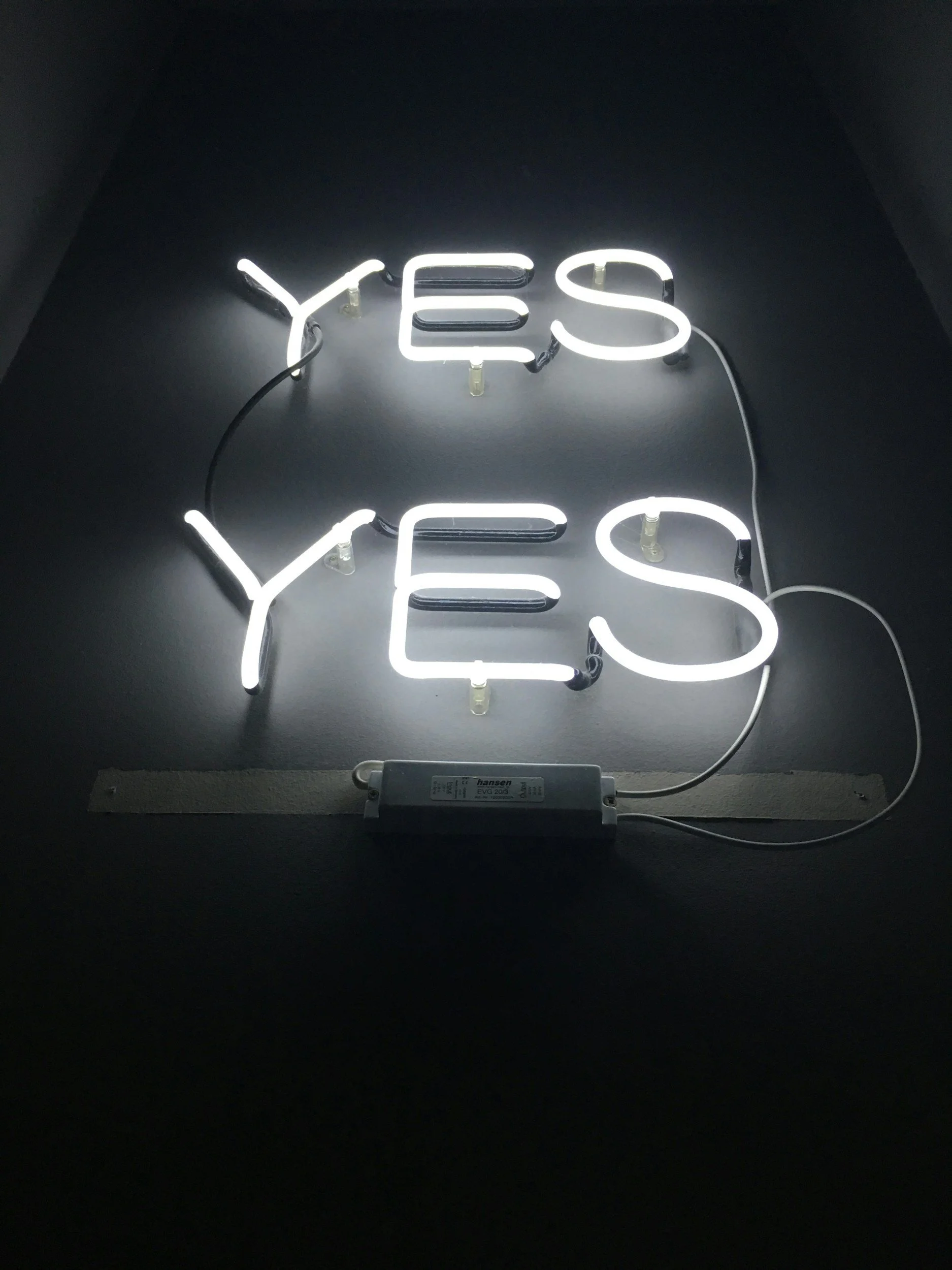
Every people-pleasing yes has a fear underneath it.
Common fears:
If I say no, they'll be angry
If I disappoint them, they'll reject me.
If I'm not useful, they won't love me.
If I set a boundary, I'll lose the relationship.
If I prioritize myself, I'm selfish.
When you catch yourself about to people-please, pause and name the fear: "I'm about to say yes because I'm afraid that..."
Then ask: Is this fear based on current reality or old wounds?
My deepest fear was abandonment. Every no felt like I was risking being left alone. But when I examined it honestly, most people in my current life weren't going to abandon me for having boundaries. The fear was from childhood, not the present reality.
In Module 2 (Releasing Family Guilt and Shame), we work with these core fears. Through Reiki and energy healing, we release the terror that's been driving people-pleasing.
This week: Before your next automatic yes, pause. Ask: "What am I afraid will happen if I say no?" Write it down.
5. Practice Disappointing People on Purpose
The only way to break people-pleasing is actually to disappoint people and discover you survive it.
Start small:
Cancel plans you don't want to keep
Say no to a small favor.
Don't respond immediately to a text.
Let someone be briefly inconvenienced.
Choose yourself over someone's preference.
Notice: Most people move on quickly. The relationship doesn't end. The world doesn't fall apart.
This practice was terrifying. My first intentional disappointment—telling my sister I couldn't give her money—felt like the worst thing I'd ever done. The guilt was crushing.
But she survived. I survived. And the relationship actually improved because it was no longer built on my endless giving.
In the Soft Hearts Society, we practice disappointing people together. During weekly live calls, we share our disappointments and witness each other's courage. We hold space for the guilt and celebrate the boundary.
This week: Disappoint someone on purpose. Something small. Notice that you survive it.
6. Redirect People-Pleasing Energy Toward Yourself
Take all the energy you've been spending trying to keep everyone else happy and redirect it toward your own well-being.
Ask yourself:
What would I do with this time if I weren't trying to please them?
What do I actually need right now?
How can I please myself the way I've been pleasing others?
Channel that same care, attention, and effort toward yourself.
I used to spend hours managing everyone's emotions, solving everyone's problems, and anticipating everyone's needs. When I redirected that energy toward myself, I finally had the capacity to heal.
In the Soft Hearts Society, we practice self-pleasing through:
Self-Reiki practices where you channel healing toward yourself
Guided meditations for self-nourishment
Ritual work for honoring your own needs
This month: Notice how much energy you spend on people-pleasing. Redirect half of that energy toward yourself.
7. Build a Life That Doesn't Require People-Pleasing
Ultimately, breaking people-pleasing means building a life where your safety, worth, and belonging don't depend on keeping everyone happy.
This requires:
Financial independence (if possible), so you're not dependent on people you have to please
Chosen relationships are built on mutual respect, not one-sided giving
Internal worth that isn't based on others' approval
Support systems that honor your boundaries
This is long-term work. It took me years to build financial stability after cutting off people who expected me to fund their lives. But that independence meant I could finally set boundaries without fear.
In Module 10 (Setting Intentions for Future Generations), we work on creating sustainable lives that don't require people-pleasing to survive. We set intentions for relationships, work, and ways of being that honor our boundaries.
Journal prompt: What would a life that doesn't require people-pleasing look like? What needs to change to build that life?
Ways to Continue This Work with Me
A sacred membership community for women learning to say no, set boundaries, and reclaim their energy from decades of people-pleasing.
Inside, you receive:
Weekly livestreams where we practice saying no together
10-month curriculum addressing the roots of people-pleasing
Boundary-setting tools and scripts
Somatic practices for working with the fear beneath your yes
Reiki and energy work for releasing people-pleasing patterns
Community support for when guilt tries to pull you back
Investment: Monthly ($555) | Join the Society
Free Resources
→ Join me on Insight Timer for free circles every Sunday at 10 am CST
→ Subscribe to YouTube for teachings on boundaries
→ Follow on Pinterest for daily reminders
Remember: Your people-pleasing kept you alive. But it's not keeping you whole. You're allowed to disappoint people. You're allowed to say no. You're allowed to choose yourself.
