9 Practices for Building a Life That Doesn't Require Constant Hustle
When Exhaustion Becomes Your Identity: Unlearning the Cult of Productivity
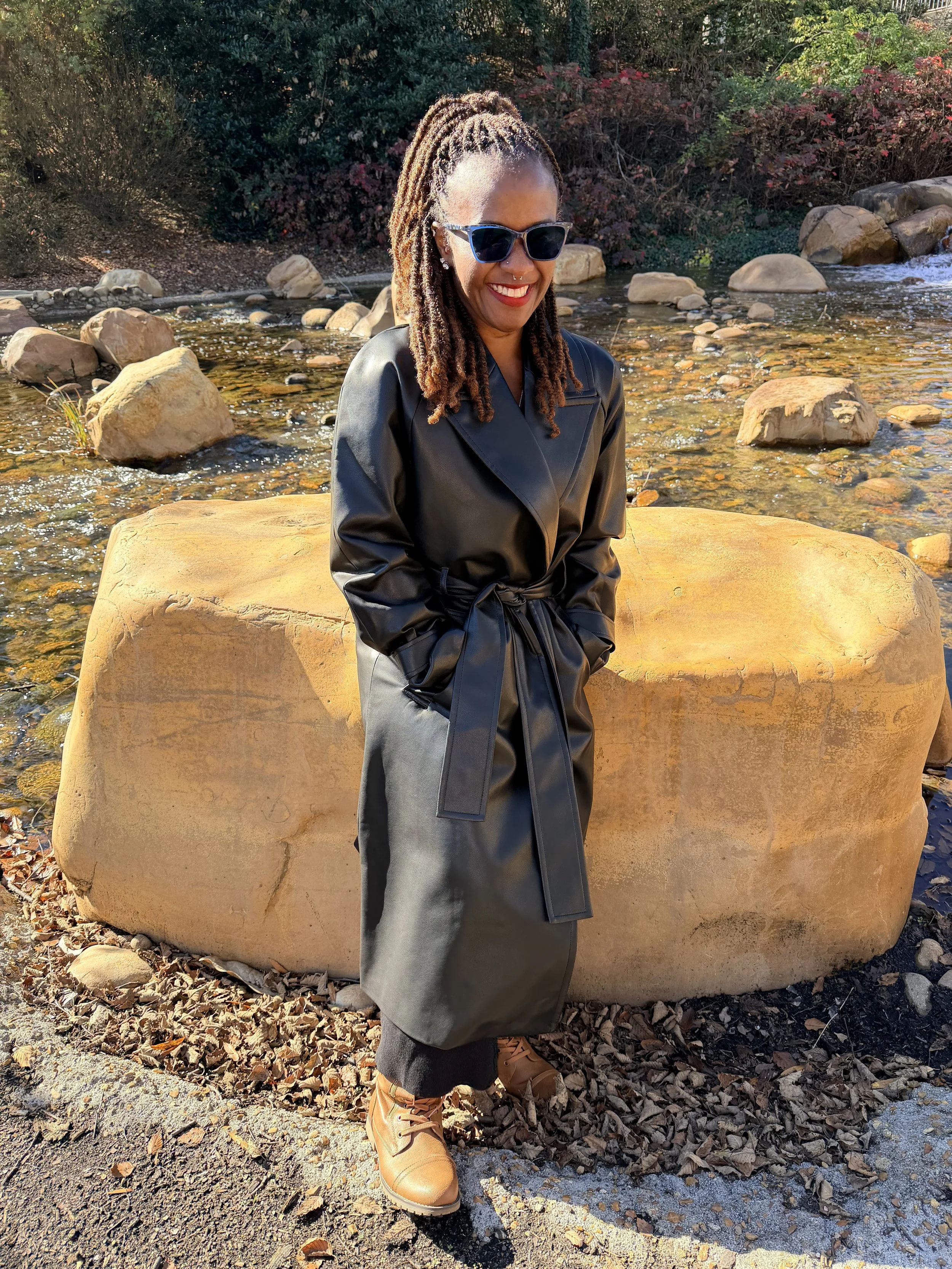
I used to measure my worth by how exhausted I was.
If I wasn't completely depleted by the end of the day, I hadn't worked hard enough. If I had energy left over, I was lazy. If I rested, I was failing.
I wore my four jobs like a badge of honor. I bragged about how little sleep I needed. I prided myself on never stopping, never resting, never admitting I was human with limits.
And then my body stopped me. Not gently. Not gradually. Completely.
Bedridden for months. Too sick to work. Too depleted to even care for myself. Everything I'd built through relentless hustle was crumbling because I'd built it on a foundation of my own depletion.
Here's what hustle culture doesn't tell you: it's not sustainable. And it's not even effective.
Study after study shows that working beyond a certain capacity actually decreases productivity, creativity, and effectiveness. But we've been so conditioned to equate busyness with worthiness that we keep pushing anyway.
For women—especially women who've survived trauma, who grew up poor, who belong to marginalized communities—hustle becomes even more complicated. We're told that if we just work hard enough, we can overcome systemic oppression. That our exhaustion is the price of success. That rest is a luxury we can't afford.
But here's the truth: hustle culture is a scam designed to extract your labor while convincing you that your exhaustion is your fault.
The system is built to require constant productivity from you while offering no safety net when you inevitably burn out. It profits from your belief that rest is earned, that boundaries are unprofessional, and that your output measures your worth.
And for those of us who learned early that our value lived in our usefulness—through childhood abuse, through poverty, through being the caretaker in dysfunctional families—hustle culture hooks directly into our deepest wound: the belief that we only matter when we're producing.
Breaking free from hustle culture isn't just about working less. It's about fundamentally rewiring your sense of worth.
It's about building a life where your value isn't tied to your productivity, where rest is a given, not a reward. Where you can exist without constantly proving you deserve to take up space.
This is what soft living offers. Not a life without work, but a life where work doesn't consume you. Where you can be productive without sacrificing your health, your relationships, your joy. Where your peace, not your exhaustion, measures success.
Building a life that doesn't require constant hustle means questioning everything you've been taught about work, worth, and what it means to be valuable.
And yes, it's uncomfortable. It brings up guilt. It challenges your identity. It requires you to disappoint people who benefited from your overwork.
But the alternative—continuing to hustle until your body forces you to stop—is so much worse.
My Soft Living Codes for Releasing Hustle Culture
My Soft Living Codes became: My Worth Is Not My Productivity, Rest Makes Me More Effective, Not Less, Sustainable Success Is Slow, I Build from Overflow, Not Depletion, and Presence Over Performance.
These codes guide me when the old hustle pattern tries to take over, when guilt says I should be doing more, when the culture tells me I'm not working hard enough.
This is foundational to The Soft Hearts Society™—building lives and businesses that honor our humanity rather than exploit it.
"Hustle culture is a scam designed to extract your labor while convincing you that your exhaustion is your fault."
9 Soft Practices for Building a Life That Doesn't Require Constant Hustle
1. Calculate the True Cost of Your Hustle
Before you can release hustle, you need to see what it's actually costing you.
Track for one week:
Hours worked (including mental work, planning, worrying about work)
Sleep lost or compromised.
Meals skipped or eaten while working.
Time with loved ones sacrificed
Health symptoms (headaches, tension, exhaustion, illness)
Moments of joy or presence you missed
Resentment that built up
Add it all up. What is your hustle actually costing?
My hustle cost me: My health, years of presence with Rose, my marriage (partially), my joy, my creativity, my sense of self. When I calculated the true cost, it was devastating—and clarifying.
In the Soft Hearts Society, we do this calculation together. We witness the true cost of our hustle and grieve what it's taken from us.
This week: Track everything your hustle costs you. Be honest. Write it down.
2. Identify Your Hustle Beliefs
Hustle culture is maintained by beliefs we've internalized, often without questioning them.
Common hustle beliefs:
"If I'm not busy, I'm lazy."
"Rest is something I earn through productivity."
"My worth is measured by my output."
"If I slow down, I'll fall behind."
"Hard work is the only path to success."
"People who rest are privileged/weak/uncommitted."
Which of these do you believe? Where did you learn them?
I believed that my worth was my productivity. If I wasn't exhausted, I wasn't working hard enough. Rest was for people who didn't have my responsibilities.
These beliefs kept me trapped in hustle until my body literally couldn't maintain them anymore.
In Module 1 (Understanding Ancestral Patterns), we trace hustle beliefs back through our lineage. Often, these beliefs are inherited—our mothers hustled, their mothers hustled, and we learned that exhaustion is what women do.
Journal prompt: What hustle beliefs do you carry? Where did you learn them? Are they actually true?
3. Experiment with Doing Less
You can't build a sustainable life while maintaining unsustainable patterns. You have to actually do less.
This week, try:
Working 20% fewer hours
Saying no to one major commitment
Delegating or outsourcing one task
Taking one full day completely off
Leaving work undone and seeing what happens
Track what actually happens. Does everything fall apart? Or do you discover you can do less and still be okay?
When I first did less, I was terrified. But what I discovered: most of what I was doing wasn't actually necessary. The world didn't end. People figured things out. And I had energy for the first time in years.
In the Soft Hearts Society™, we experiment with doing less together. We hold each other accountable to working sustainably, not just productively.
This week: Do 20% less than you usually would. Notice what happens.
4. Build Rest Into Your Schedule (Not Around It)
Stop trying to fit rest into the margins of your hustle. Build your life around rest first, then add work.
Schedule rest FIRST:
Block out sleep (7-9 hours non-negotiable)
Schedule daily rest ritual (10-30 minutes)
Plan a weekly Sabbath or day off.
Mark quarterly rest weeks
Protect these times as fiercely as work meetings.
Then add work around your rest, not the other way around.
This feels backward at first. We're taught to schedule work and fit rest into what's left. But that's how we end up perpetually depleted.
In the Soft Hearts Society, we learn to structure our lives around rest. Through our weekly rhythms and monthly rituals, we practice making rest the foundation, not the afterthought.
This month: Restructure your calendar. Block rest first. Add work around it.
5. Redefine Success Based on Sustainability
If your version of success requires you to be constantly exhausted, it's not actually success—it's a slower form of self-destruction.

Ask yourself:
What does success look like if it has to be sustainable?
What if success included being rested, present, and healthy?
What would I have to release to build sustainable success?
What would I need to prioritize differently?
Sustainable success might mean:
Making less money but having more time
Building slower but not burning out
Achieving less but enjoying the journey
Being less visible but more present
My sustainable success: Building the Soft Hearts Society™ at a pace that honors my energy. Making enough to live softly without needing to hustle and prioritizing presence with Rose over growth metrics.
In Module 10 (Setting Intentions for Future Generations), we work with redefining success for ourselves and our lineages. We create visions of success that don't require our depletion.
Journal prompt: What does sustainable success look like for you? What needs to change to build it?
6. Create Income That Doesn't Require Constant Hustle
Building a sustainable life often requires reimagining how you generate income.
Consider:
Passive or semi-passive income streams
Raising your rates so you work less for the same income
Creating systems that allow for time off
Building a business model that honors your capacity
Saying no to clients/projects that require unsustainable work
This isn't always possible, especially if you're in financial survival mode. But it's worth working toward.
I had to restructure how I work entirely from four jobs that required constant hustle to a membership model that allows me to serve deeply without burning out.
In the Soft Hearts Society™, many members are building or restructuring their businesses/work to be sustainable. We share strategies, support each other through transitions, and model what sustainable work actually looks like.
This quarter: Identify one change you can make to create more sustainable income. Even small shifts matter.
7. Practice Being Instead of Doing
Hustle culture trains you to always be doing. Healing from it requires learning just to be.
Practice being:
Sit without your phone for 10 minutes.
Stare out a window without purpose.
Lie on the floor and do nothing.
Be with your children without working at the same time.
Have a conversation without multitasking.
Notice the discomfort. The urge to be productive. The guilt about "wasting time." This is your nervous system being challenged.
Breathe through it. Being is not wasting time. Being is living.
For years, I couldn't just be. Even when resting, I was planning, strategizing, mentally working. Learning to be present without doing anything was one of the hardest practices of my healing.
In the Soft Hearts Society™, we practice being through:
Meditation and stillness practices
"Nothing time" rituals
Presence practices with our families
Community witnessing where we just be together
This week: Practice being for 10 minutes daily. No doing. Just being.
8. Stop Glorifying Exhaustion
Notice how you talk about your busyness, your exhaustion, your hustle.
Stop saying:
"I'm so busy" (with pride)
"I only got 4 hours of sleep" (as a badge of honor)
"I haven't had a day off in months" (as proof of dedication)
"I'm exhausted, but I keep going" (as evidence of strength)
Start saying:
"I'm prioritizing rest this week."
"I'm working sustainable hours."
"I took a day off to recharge."
"I'm building a life that doesn't require constant exhaustion."
The language you use shapes your reality. Stop glorifying what's harming you.
I used to brag about my exhaustion. It was my identity. When I stopped glorifying it and started admitting it was unsustainable, it became easier to change.
Practice: Notice when you glorify exhaustion. Reframe it. Speak differently about rest and sustainability.
9. Build Community Around Sustainable Living
You can't sustain anti-hustle practices if you're surrounded by people who glorify hustle.
Seek out:
People who value rest
Communities that honor slowness
Relationships built on mutual care, not competition
Spaces that celebrate sustainability over productivity
Distance yourself from:
People who make you feel guilty for resting
Environments that glorify overwork
Relationships where worth is measured by productivity
Finding the Soft Hearts Society™ saved me. Being around women who valued rest as much as I did helped me sustain my new way of living.
In the Soft Hearts Society™, you're surrounded by women who are also building sustainable lives. We hold each other accountable to our rest, celebrate our slowness, and refuse to glorify exhaustion.
This month: Identify your hustle-glorifying relationships. Find one community that values sustainability.
Ways to Continue This Work with Me
A sacred community for women building lives that don't require constant hustle.
Inside, you receive:
10-month curriculum on building sustainable life and work
Weekly livestreams modeling slow, sustainable rhythms
Rest rituals and practices that honor your humanity
Business/work restructuring support for sustainable income
A community of women who value presence over productivity
Accountability for maintaining sustainable practices
Investment: Monthly ($555)
Free Resources
→ Join me on Insight Timer for free circles every Sunday at 10 am CST
→ Subscribe to YouTube for anti-hustle teachings
→ Follow on Pinterest for sustainable living reminders
Remember: Your worth is not your productivity. Rest makes you more effective, not less. Sustainable success is slow. You are allowed to build a life that doesn't require your constant exhaustion.