7 Soft Practices for Healing from Burnout
When Your Body Says No: Understanding Burnout as a Spiritual Wake-Up Call
My complete physical collapse wasn't a failure. It was my body's final attempt to save my life.
For months, I was bedridden. Too sick to care for myself. My teenage daughter Rose became my caretaker, seeing me at my absolute worst. Everything I had built through sheer force of will had crumbled—my health, my ability to work, my illusion of control—all of it gone.
What I know now is that my body had been whispering for years. It sent me signs—exhaustion that sleep couldn't cure, physical pain, emotional numbness, a nervous system stuck in perpetual overdrive. But I had learned to override those signals. I had been taught that rest was laziness, that boundaries were selfish, that my productivity measured my worth.
So my body had to scream.
This is what happens to so many women, especially those of us who've survived trauma, who've learned early that we're only valuable when we're useful. We become experts at pushing through. We wear our exhaustion like a badge of honor. We mistake our fight-or-flight response for strength.
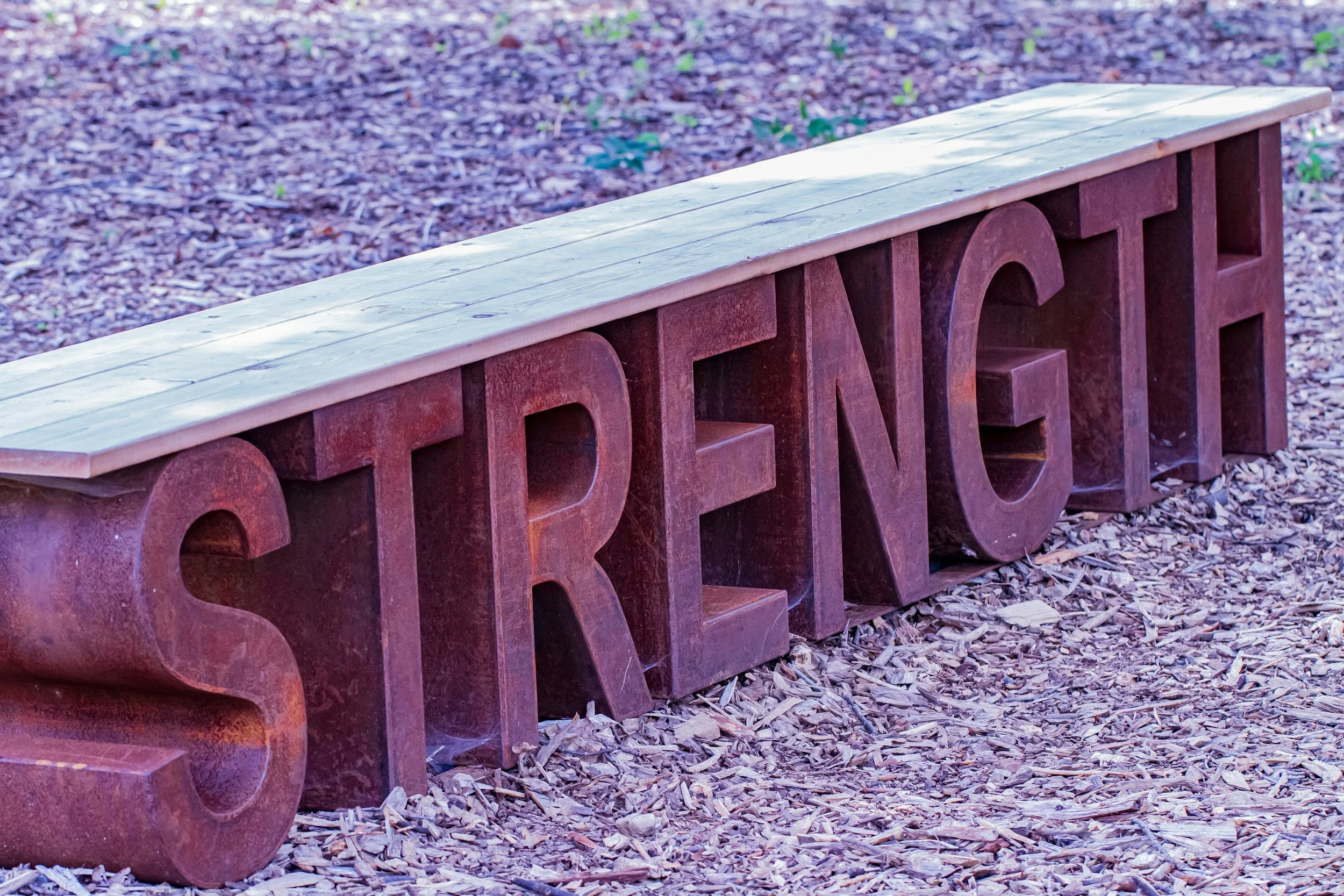
But our bodies are wiser than our conditioning. When we refuse to listen to the whispers, the universe turns up the volume.
Burnout isn't just about working too much, though that's often part of it. It's about living in opposition to your true nature. It's about betraying yourself over and over until your system can't sustain the betrayal anymore. It's your soul's way of saying: this life you're living isn't yours.
In my collapse, there was a strange kind of grace. When I had nothing left to give, I finally had to receive. When I couldn't perform, I had to simply be. When all my defenses were stripped away, Rose and I could finally be real with each other. We talked about the childhood trauma we'd both experienced. We grieved what we'd lost. And slowly, tenderly, we began to heal—together.
This is the medicine in the breakdown: it cracks us open to truth. It forces us to examine the patterns we've been running, the beliefs we've been operating from, and the ways we've been abandoning ourselves in the name of taking care of everyone else.
Your body is not punishing you. It's protecting you. It's trying to guide you back home to yourself, back to a life that honors your nervous system, back to a pace that's actually sustainable.
The path forward isn't about returning to who you were before burnout. That woman was already sacrificing herself. The path forward is about becoming someone new—someone who knows her worth isn't tied to her productivity, someone who understands that rest is sacred, someone who finally chooses herself.
Your breakdown might be your greatest breakthrough. Listen to what it's trying to teach you.
My Soft Living Codes for Healing Burnout
When I was rebuilding my life from complete collapse, I had to create new codes to live by—because the old ones almost killed me.
My Soft Living Codes became: My Body's Wisdom Guides Me, Rest Is My Birthright, Capacity and Sustainability Are Different, My Nervous System Matters More Than My To-Do List, and Healing Is Not Linear.
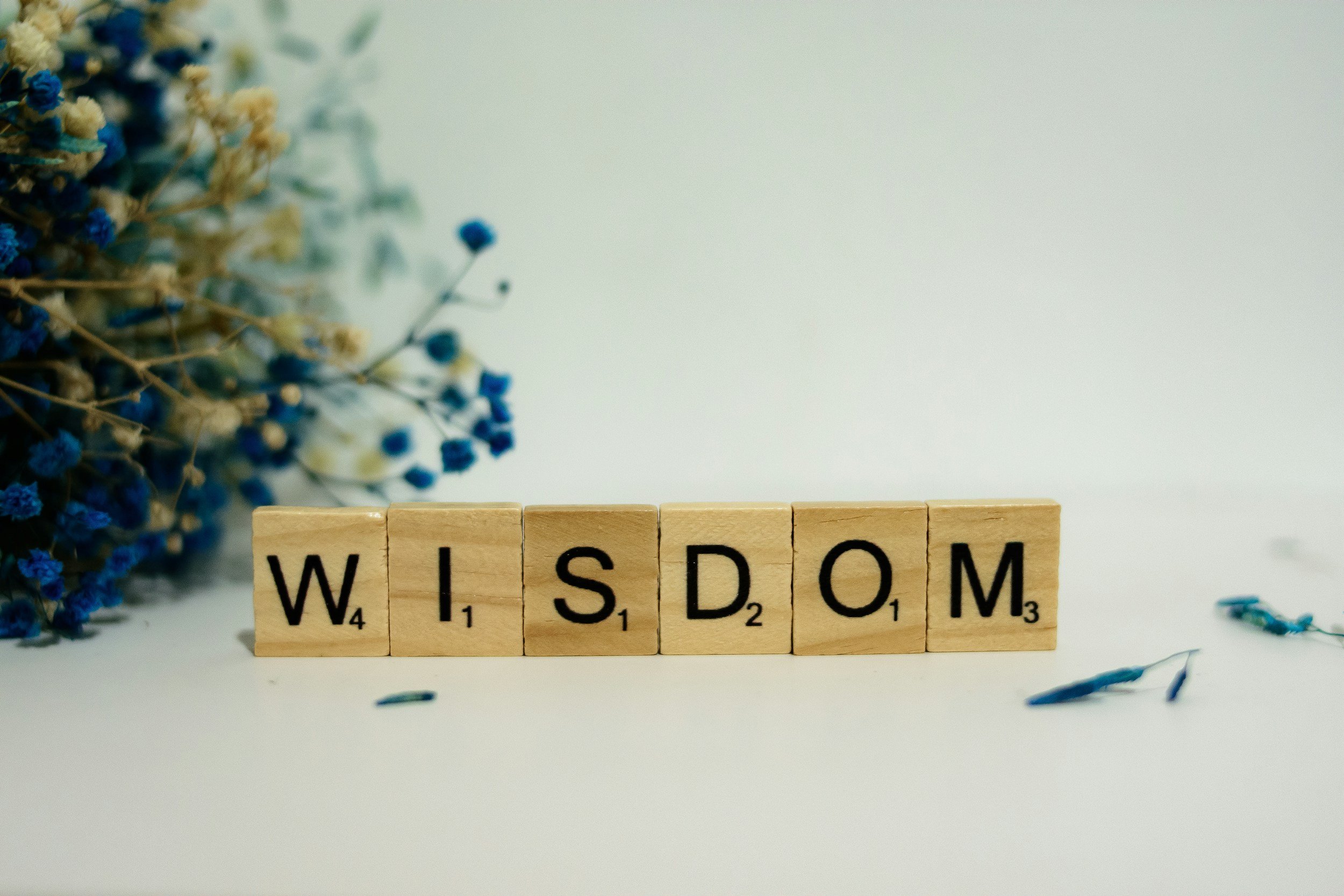
These codes remind me that burnout wasn't a failure of willpower—it was my body's wisdom trying to save me from a life that wasn't mine.
This is the foundation of everything we teach in The Soft Hearts Society™. We don't help you "bounce back" to the life that burned you out. We help you build something entirely new.
"Your body is not punishing you. It's protecting you. It's trying to guide you back home to yourself."
7 Soft Practices for Healing from Burnout
1. Learn Your Body's Whisper Language
Start paying attention to your body's early warning signals before they become screams.
Keep a simple log for two weeks: note your energy levels, physical sensations (tension, pain, fatigue), and emotional state throughout the day. Look for patterns.
Ask yourself:
When does my body signal that something is too much?
What does depletion feel like in my body before it becomes collapse?
What are my early warning signs?
Knowing your unique signals allows you to intervene earlier.
I wish I had known mine. For years, my body whispered through chronic neck pain (from the injury my ex-husband caused), through exhaustion that sleep didn't touch, through emotional numbness. But I ignored it all, pushed through, told myself I was fine.
By the time my body screamed—complete physical collapse—I had no choice but to listen.
In the Soft Hearts Society, we learn to listen to our bodies through:
Daily body scan practices that teach you to recognize your signals
Somatic tracking during our weekly calls, where we practice noticing what our bodies are telling us
Nervous system education so you understand the difference between "I'm tired" and "I'm depleted."
In Module 1 (Understanding Ancestral Patterns), we explore how ignoring our body's signals is often an inherited pattern. Our mothers ignored their bodies. Their mothers ignored theirs. We learn to break this cycle by honoring what our bodies are trying to tell us.
This week: Start a simple body awareness log. Three times a day, pause and note: How does my body feel right now? What is it trying to tell me?
2. The Sacred Pause Practice
Before saying yes to any request or commitment, practice the sacred pause.
Say: "Let me check my calendar and get back to you."
This buys you time to check in with your body, not just your schedule. Place your hand on your heart and ask:
Does this feel expansive or contracting?
Does this nourish me or deplete me?
Do I have the capacity for this?
Honor what your body tells you, even if your mind has a different agenda.
This practice changed everything for me. I used to say yes immediately to every request—family, friends, work, volunteering. My automatic response was "yes" before I'd even checked if I had capacity.
The Sacred Pause taught me that saying "let me get back to you" isn't rude—it's self-preservation.
In our Soft Life Boundary Setting course (Month 6 of the curriculum), we practice the Sacred Pause together. We role-play scenarios where saying "let me check" feels uncomfortable. We work with the guilt that arises when you don't immediately accommodate everyone.
Through Reiki and energy work, we release the urgency to say yes, the fear that saying "let me think about it" will disappoint people.
Practice: This week, use the Sacred Pause for every request. Don't say yes immediately. Give yourself time to check in with your body before committing.
3. Titrate Your Capacity
If you're recovering from burnout, don't try to return to your old pace.
Think in terms of 50-70% of what you think you can handle. This feels uncomfortable because you're capable of more, but capacity and sustainability are different things.
Practice doing less than you think you should. Notice that the world doesn't fall apart. This retrains your nervous system to operate from sustainable energy rather than adrenaline.
This was the hardest lesson for me. When I started feeling better, I wanted to jump back into everything. My mind said, "I can do this now!" But my body wasn't ready.
I had to practice doing 60% of what I felt capable of. It felt lazy. It felt like I was wasting my recovery. But it was the only way to heal sustainably.
In the Soft Hearts Society™, we work with capacity through:
The "Three Things" Rule from our "Have It All" work—you can only do three things well at once
Energy tracking practices to understand your actual capacity versus your perceived capacity
Community accountability, so you're not alone when you want to push past your limits.
During our weekly live calls, women share their struggles with doing less. We witness each other's discomfort with not being productive. We practice believing that we're enough even when we're not doing it all.
This month: Identify your current capacity. Whatever you think you can handle, do 60% of that. Notice what happens.
4. Create a Nervous System Reset Ritual
Choose one practice that helps regulate your nervous system and make it non-negotiable.
This might be:

A 10-minute body scan
Gentle movement or yoga
Humming or chanting
Spending time in nature
Lying on the floor with your legs up the wall
Drumming or sound healing
Do this daily, especially on days when you feel fine—prevention is more powerful than intervention.
My non-negotiable became my morning spiritual practice—meditation, Reiki, sitting with my tea, and reading my Soft Living Codes. Even on days when I felt good, I didn't skip it. Because feeling good meant my nervous system was finally regulated. Skipping the practice would send me back into dysregulation.
In the Soft Hearts Society, we offer multiple nervous system reset tools:
Monthly guided meditations specifically for nervous system regulation
Trauma-informed yoga flows designed for burnout recovery
Reiki transmissions that calm your system at a cellular level
Sound healing with drumming, rattling, and light language that regulates without words.
Breathwork practices that shift you from fight-or-flight to rest-and-digest
This week: Choose ONE nervous system practice. Do it daily for 7 days, even on days you feel fine. Notice the difference.
5. Grieve What Burnout Costs You
Set aside intentional time to acknowledge what you lost in your burnout—time with loved ones, experiences you missed, the years of your life spent depleted, the person you couldn't be when you were surviving.
Light a candle. Write a letter. Cry if tears come.
Grief is how we metabolize loss so it doesn't stay stuck in our bodies. You cannot heal what you don't first acknowledge.
I had to grieve:
The years I missed being present with Rose because I was in survival mode.
The relationships I lost because I had nothing left to give
The version of myself who was joyful, creative, alive—before burnout buried her.
The health I sacrificed trying to be everything to everyone.
This grief was necessary. Without it, I would have just pushed it down and repeated the cycle.
In Module 2 (Releasing Family Guilt and Shame) and Module 7 (Forgiving and Releasing Ancestors' Burdens), we create sacred space for grief. We don't rush past it. We don't "positive thinking" our way through it.
Through ritual work, we honor what burnout costs us. We light candles. We write letters to our past selves. We cry together in our live calls, witnessing each other's losses.
This month: Set aside 30 minutes. Light a candle. Write a letter to yourself about what burnout costs you. Let yourself feel it.
6. Establish Recovery Boundaries
Communicate clearly with the people in your life about what you need during recovery.
This might sound like:
"I'm learning to honor my energy, so I might say no to things I would have said yes to before."
"I can't take on extra right now while I'm rebuilding my health."
"I need to prioritize rest, which means I won't be as available as I used to be."
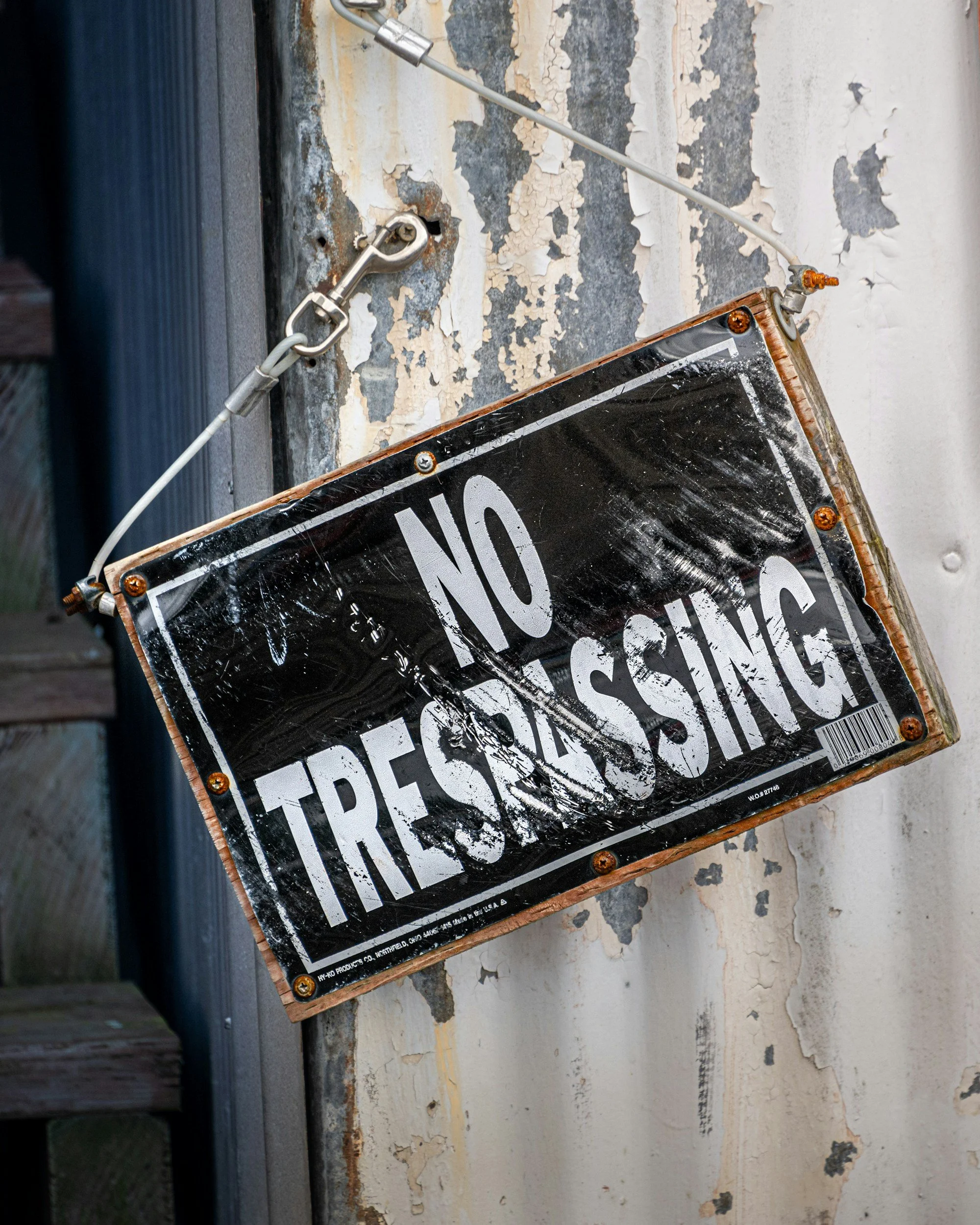
You don't need to explain or justify. People who love you will adjust. People who can't respect your healing weren't respecting you before either.
I had to set hard boundaries:
I stopped financially supporting my family members.
I stopped being available 24/7 for everyone's crises.
I stopped saying yes to commitments that depleted me.
I started prioritizing my healing over everyone's comfort.
Some people adjusted. Some people didn't. Those who couldn't accept my boundaries showed they valued my service more than my well-being.
In our Soft Life Boundary Setting work, we practice:
Boundary scripts for communicating your recovery needs
Role-playing during live calls so you can practice saying these things out loud
Somatic grounding so your body feels safe, disappointing people
Community support for when people push back against your boundaries
This week: Identify one recovery boundary you need to set. Communicate it clearly to one person. Notice their response—it will tell you a lot.
7. Practice Receiving
If you're used to being the caretaker, the provider, the one who holds everyone else, learning to receive might be your hardest work.
Start small:
Let someone bring you a meal.
Accept help when offered.
Allow yourself to be seen in your vulnerability.
Receive a compliment without deflecting.
Let someone carry something for you.
Notice the discomfort that arises. This is your old pattern being challenged. Breathe through it. You are worthy of care even when you're not giving it.
This was my greatest challenge. Even bedridden, I tried to take care of Rose. Even when people offered help, I said, "I'm fine." Receiving felt like weakness. It felt like owing. It felt dangerous.
But healing required receiving. I had to let Rose care for me. I had to let people bring meals. I had to accept help without immediately trying to reciprocate.
In the Soft Hearts Society, we practice receiving through:
Monthly Reiki transmissions, where you simply receive healing energy
Sound healing and meditation, where your only job is to be present and receive
Community care, where we practice asking for and receiving support
Affirmation work around worthiness and receiving.
In Module 9 (Integrating Lessons and Blessings from Ancestry), we work with the pattern of over-giving and under-receiving. We explore how this is often inherited—our mothers couldn't receive, their mothers couldn't receive. We break the pattern together.
This week: Practice receiving three times. Let someone help you. Accept an offer without reciprocating. Notice the discomfort. Breathe through it.
Ways to Continue This Work with Me
If these words resonated with you—if you found yourself nodding, crying, or feeling that deep recognition of "this is my story too"—I want you to know you don't have to walk this healing path alone.
A sacred membership community for women healing from burnout and learning to build lives that honor their nervous systems.
Inside, you receive:
Weekly livestreams with me and my daughter Rose—teaching, support, and space to be real about your exhaustion
10-month Ancestral Healing curriculum that addresses the root causes of burnout, not just the symptoms
Nervous system regulation practices—Reiki, sound healing, breathwork, yoga—designed for burnout recovery
Boundary-setting tools so you can protect your energy during recovery
Monthly rituals for grieving what burnout costs and reclaiming your life
Somatic practices that retrain your body to recognize rest as safe
A community of women who understand that burnout isn't a failure—it's a wake-up call.
Investment:
Monthly: $555
This isn't another productivity program. This is where you learn that your worth isn't tied to your output.
Free Resources to Begin
→ Join me on Insight Timer for free live women's circles every Sunday at 10 am CST
→ Subscribe to my YouTube channel for teachings on healing burnout and nervous system regulation
→ Follow on Pinterest for daily reminders that rest is sacred
Remember: Your body is not punishing you. It's protecting you. It's trying to guide you back home to yourself.
Your breakdown might be your greatest breakthrough. Listen to what it's trying to teach you.