
What No One Tells You About Healing the Mother-Daughter Relationship
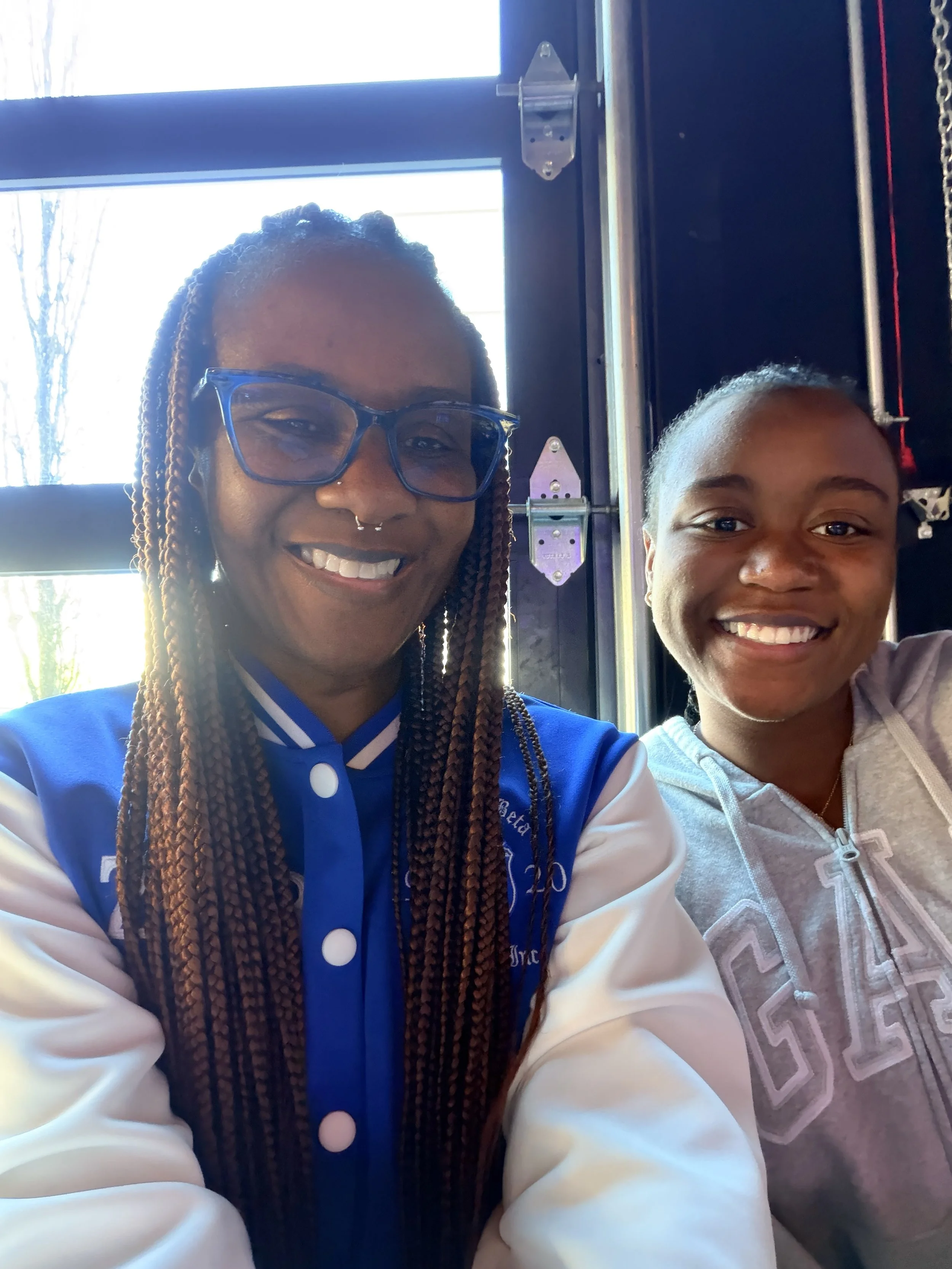
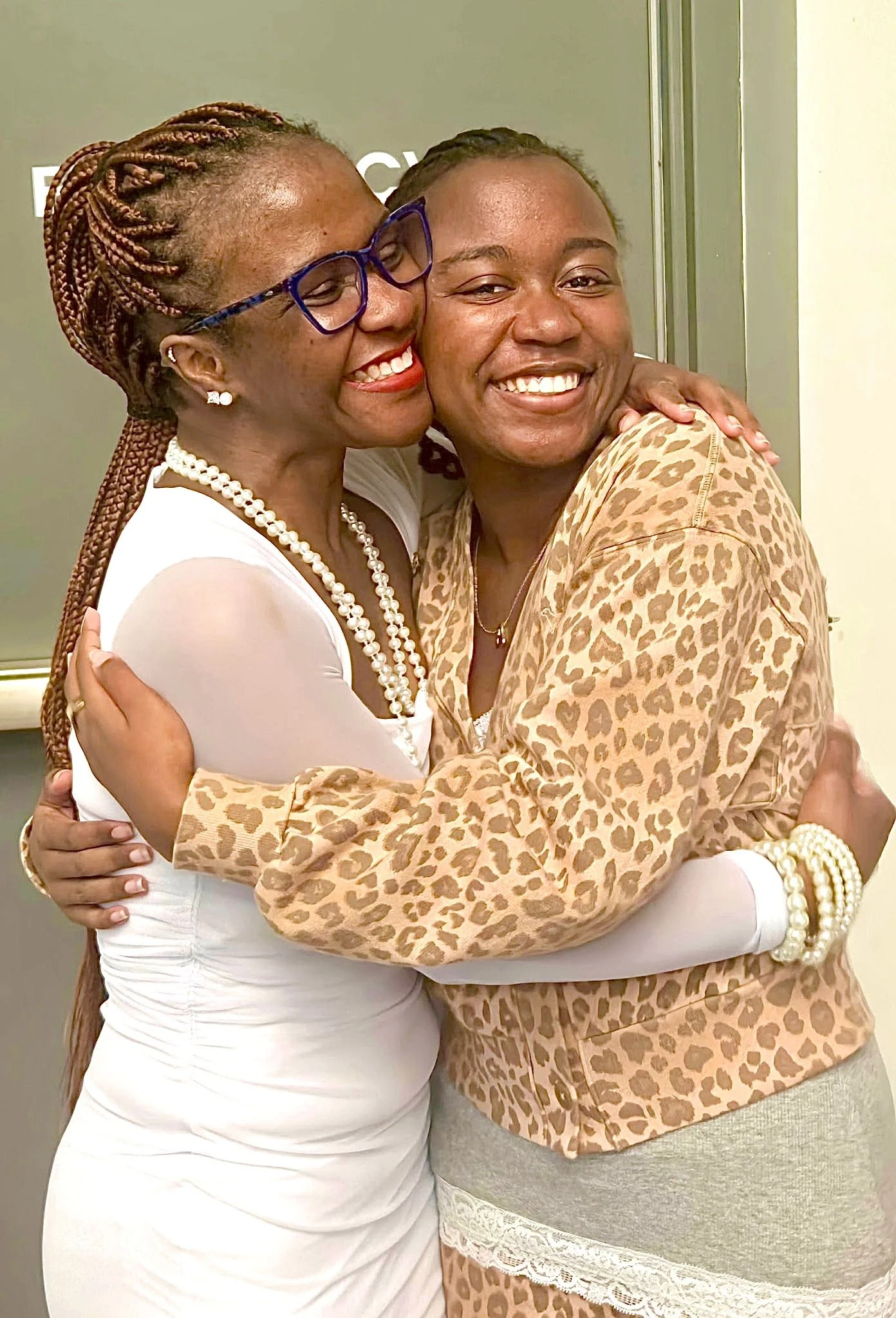
Rose and I were not always what we are now.
There was a season — during the worst of my burnout, when my body had given out, and I was bedridden, and she was the one keeping things together — when we didn't know how to be in the same room without it hurting. When the weight of everything we'd both been through, everything that had been passed down, everything neither of us had language for yet, sat between us like something too heavy to move.
I tell you this because I want you to know that the mother-daughter relationship we talk about on this platform — the one we've built this entire body of work around — wasn't handed to us. We built it. Through honesty. Through a lot of sitting with hard things. Through choosing each other, over and over, even when it was easier to stay defended.
And I've learned some things along the way that I wish someone had told me earlier.
Healing the mother-daughter relationship doesn't begin with the other person. It begins with you.
The Part Nobody Talks About: You Both Have to Grieve
The most important thing I've come to understand about healing between mothers and daughters is this: it requires grief. Not blame. Not a long list of everything that went wrong. Grief.
The mother has to grieve the ways she wasn't able to show up the way she wanted to — often because she was carrying wounds of her own that no one had ever helped her with. The daughter has to grieve the childhood she needed but didn't fully receive. Both of those losses are real. Neither cancels out the other.
Most families never get to this grief because they're too busy with the blame. The grievance. The defended story of who did what to whom. But underneath all of that is almost always a heartbreak that simply wants to be acknowledged.
When both people in the relationship can finally grieve together — not at each other, but alongside each other — something opens. Something that was held very tightly begins to release.
What Gets in the Way
The roles calcify.
Over the years, mothers and daughters can get locked into roles that no longer fit but feel impossible to exit. The controlling mother and the rebellious daughter. The emotionally absent mother and the anxiously attached daughter. The 'strong one' and the one who is allowed to be fragile. These roles become the relationship. And stepping out of them — even when both people want to — can feel like losing the relationship entirely.
The wounds are generational.
Often, the ways a mother struggles to show up for her daughter are directly connected to the ways her own mother struggled to show up for her. This doesn't excuse the wound. But understanding it changes the story from 'she didn't love me' to 'she didn't have what she needed to give me what I needed.' That shift is not about minimizing your pain. It's about expanding the frame enough to find compassion alongside the hurt.
Nobody models what repair actually looks like.
Most of us were not shown healthy repair in our families. We were shown silence. Distance. Pretending everything was fine after nothing was addressed. Or explosive conflict with no resolution. Real repair — the kind that includes acknowledgment, accountability, and genuine reconnection — is unfamiliar territory for many of us. We have to learn it. And that learning is available.
→ Related read: Signs You May Be Carrying a Mother Wound Without Realizing It
→ Related read: How to Stop People Pleasing Without Feeling Guilty
What Healing Actually Requires
I want to be honest with you: healing the mother-daughter relationship does not always mean the relationship is restored in the way you hope. Sometimes the other person is not ready. Sometimes distance or boundaries are necessary for your own health. Healing does not require a specific outcome in the relationship.
What it requires is your own inner work. Your own willingness to look at the pattern — where it came from, how it lives in you, what you're carrying that was never yours to carry. That work belongs to you, regardless of whether your mother or daughter ever does their own.
And sometimes — not always, but sometimes — your own healing creates a gravitational pull. You change, and the relationship has room to change around you.
You cannot force another person to heal. But you can heal so completely that the relationship transforms anyway.
A Container for This Work
The Inner Child Healing for Mothers & Daughters course, the Ancestral Healing course, and the Shadow Work course — all three of these are pathways into this exact work. They can be taken alone or together, as a mother, as a daughter, or as both.
For women ready to go deeper in a 1:1 container, the Ancestral Womb Liberation is an 8-week journey through the full depth of this healing — body, lineage, and relationship.
→ Explore all courses: Here
→ Book a Womb Lineage Reading: alloniarose.com/work-with-us
→ Begin with the free Break the Cycle Starter Guide: Here
Walking softly,
Allonia Water
