
The Altar as Anchor: How Sacred Space Supports Ancestral Healing
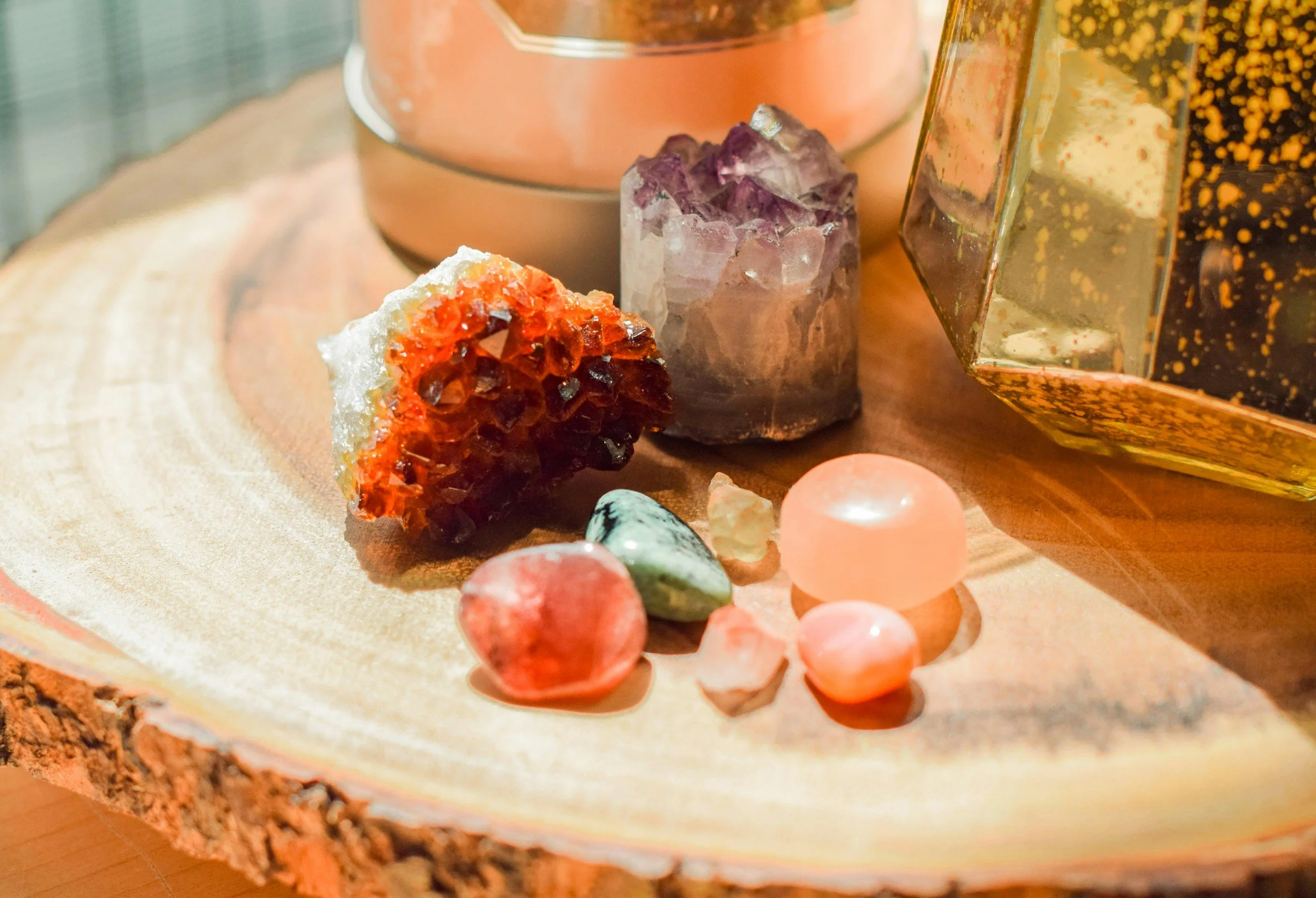
I didn't grow up with altars. I grew up in a world that told me the sacred lived somewhere else — in a church, in a book, in someone else's authority — not in my own home, not in my own hands.
It wasn't until I started doing real ancestral healing work that I understood what I had been missing. Not just the practice of the altar, but the feeling of it. The way it changes a room's energy. The way it changes the energy of you, when you walk past it every day, and remember: this is sacred. This is tended. I am not alone.
An altar is not a religious requirement. It is not something you have to do perfectly. It is not reserved for people with specific traditions or spiritual credentials.
An altar is a physical act of intention. A declaration, made in your own space, that this healing is real and this work is sacred.
And for women doing deep ancestral work, it is one of the most powerful anchors I know.
An altar is not a decoration. It is a conversation with your ancestors, your body, and the part of you that knows healing is real.
What an Altar Actually Does
When you create a sacred space in your home and tend it consistently, something shifts. Part of it is practical — you have a place to bring your grief, your questions, your gratitude, your intentions. You have somewhere to put the things that have no other container.
But it goes deeper than that. An altar externalizes the internal work. It makes the invisible visible. When you place a photo of your grandmother on your altar and light a candle for her — even if you had a complicated relationship with her, even if you don't know much about her — you are doing something real. You are acknowledging that she existed. That her story is part of yours. That healing is possible between you, even across time.
In the Lineage Liberation Method™, altar work is woven through Phase 1: Witnessing. It is how we ground ourselves as we begin to look clearly at what was passed down. The altar becomes the anchor that holds us while the looking happens.
What to Put on an Ancestral Altar
There is no single right answer. But here are some things that commonly belong on an ancestral altar:
• Photographs of ancestors — grandparents, great-grandparents, anyone from your lineage you want to honor.
• Objects that belonged to or represent them — a piece of jewelry, a fabric, a meaningful item.
• Something from the earth — flowers, herbs, stones, soil. The earth connects us to what is ancient.
• A candle — to represent light, presence, the ongoing nature of the relationship.
• Water — a simple glass of water is traditional in many African spiritual practices. It represents clarity, cleansing, and the flow of communication between worlds.
• Your own written intentions or prayers — words you want witnessed by your lineage.
You Don't Have to Know Your Full Lineage
One of the most common things I hear from women who want to build an ancestral altar is: 'But I don't know my ancestors. My family history was taken from us.'
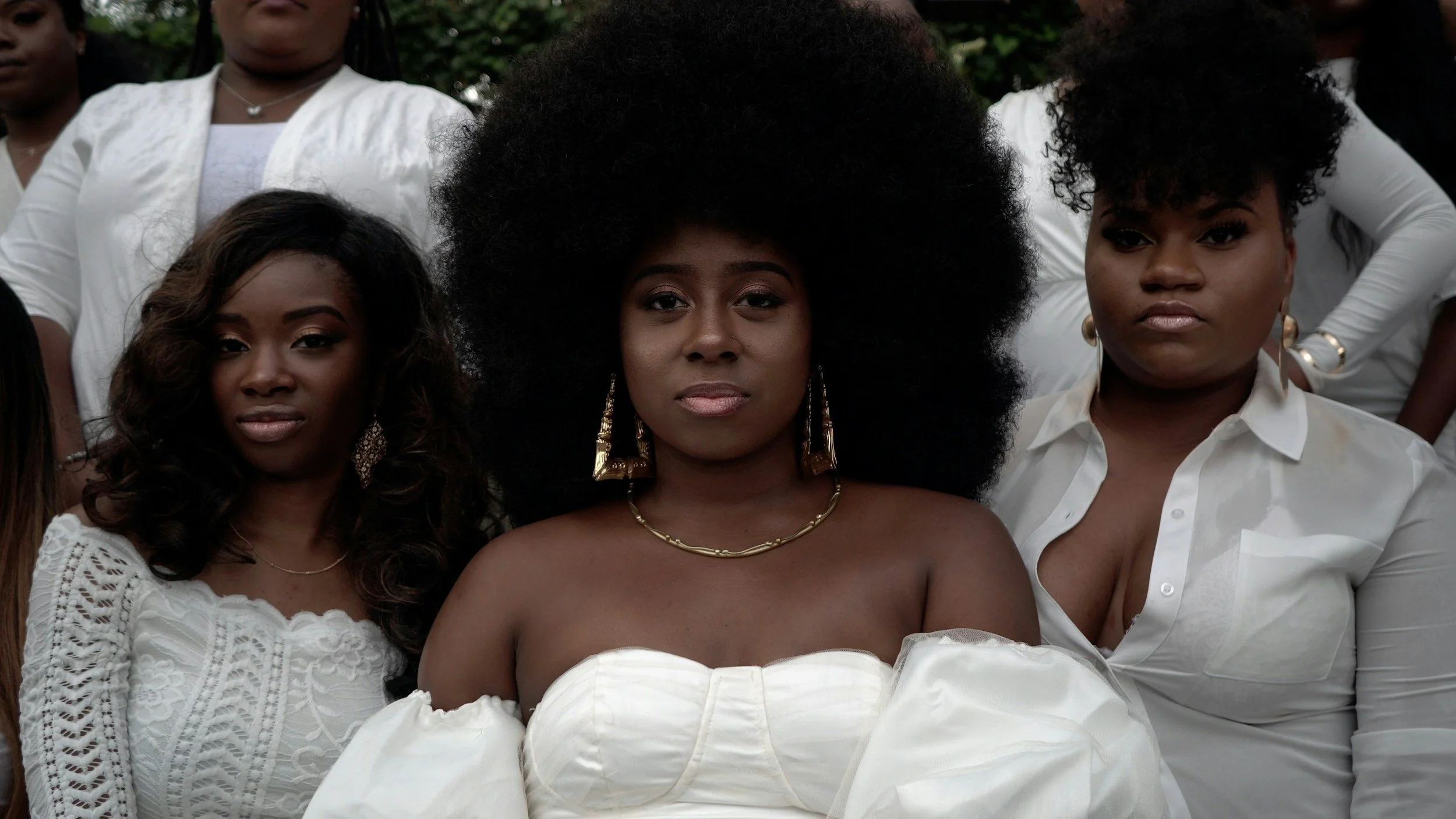
I hear you. And I want you to know: this is one of the most profound aspects of this work for women of the African diaspora. We build altars not just for the ancestors we know by name, but for all of them — the unnamed, the forgotten, the ones whose stories were deliberately erased. We honor them anyway. We call them in anyway. Because they are still with us, whether we have their names or not.
You can begin with what you have. A single photo. A single candle. An intention whispered into the space. That is enough to start.
→ Related read: How Womb Wisdom and the Lineage Liberation Method™ Changed My Approach to Ancestral Healing
→ Related read: Are You Carrying Generational Emotional Patterns? Here's How to Know
How to Tend Your Altar
An altar is not set-it-and-forget-it. Tending is the practice. It can be as simple as refreshing the water each morning. Lighting the candle when you sit down to journal. Speaking a brief word of acknowledgment to the ancestors before you begin your day.
Consistency matters more than complexity. A simple altar tended daily is more powerful than an elaborate one that collects dust.
Tending your altar is tending your lineage. And tending your lineage is tending yourself.
Go Deeper With Altar Work
Our newest course, Altar Work for Women: Ancestors, Rituals & Manifestation, was created to guide you through exactly this — building, consecrating, and working with a sacred altar space as a foundation for your ancestral healing. We go deep into the ritual, the intention, and the spiritual practice of altar work rooted in African and feminine spiritual traditions.
This is the container for women who are ready to make their healing tangible. To bring it into the physical world and tend it like the sacred work it is.
→ Explore: Altar Work for Women
→ Or begin with the free Break the Cycle Starter Guide: Here
Remember, you are breaking cycles…
Allonia Water
