
Ancestral Altar & Veneration
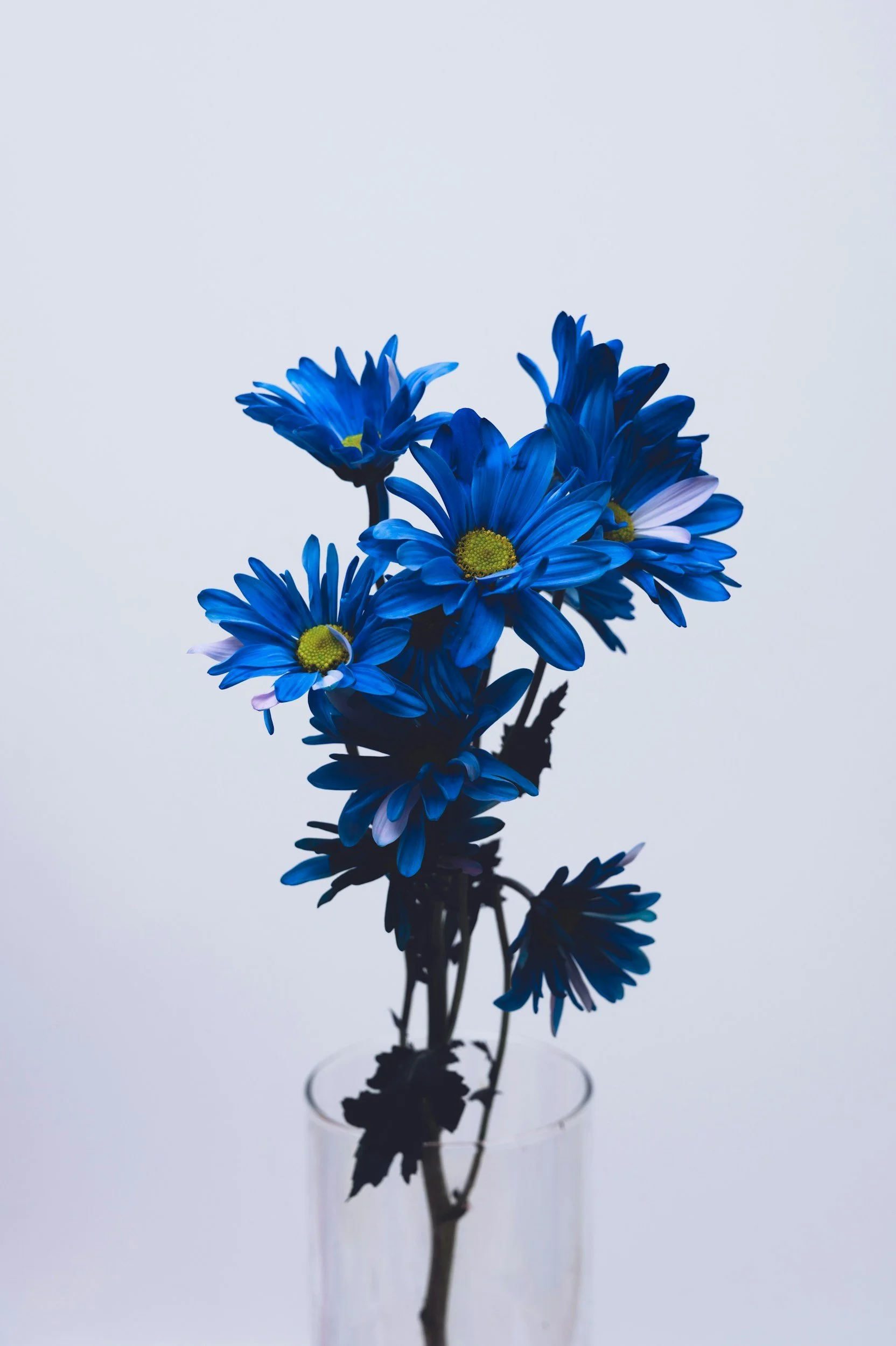
My ancestral altar did not arrive fully formed. It grew — the way all living things grow — slowly, intentionally, one sacred object at a time, as my relationship with my ancestors deepened and my understanding of what they needed from me became clearer. Setting it up was not a project. It was a conversation.
I began with the foundation: a white cloth laid down as the first declaration of purity and clear, open intention. White is the color of the ancestors in the Isese tradition — it signals that this space is set apart, that what happens here belongs to them. The altar sits by a window, where natural light falls across it each morning. That placement was not accidental. Light is access. It is the ancestors being invited not just into a dark corner of my home, but into the living, breathing center of my daily life.
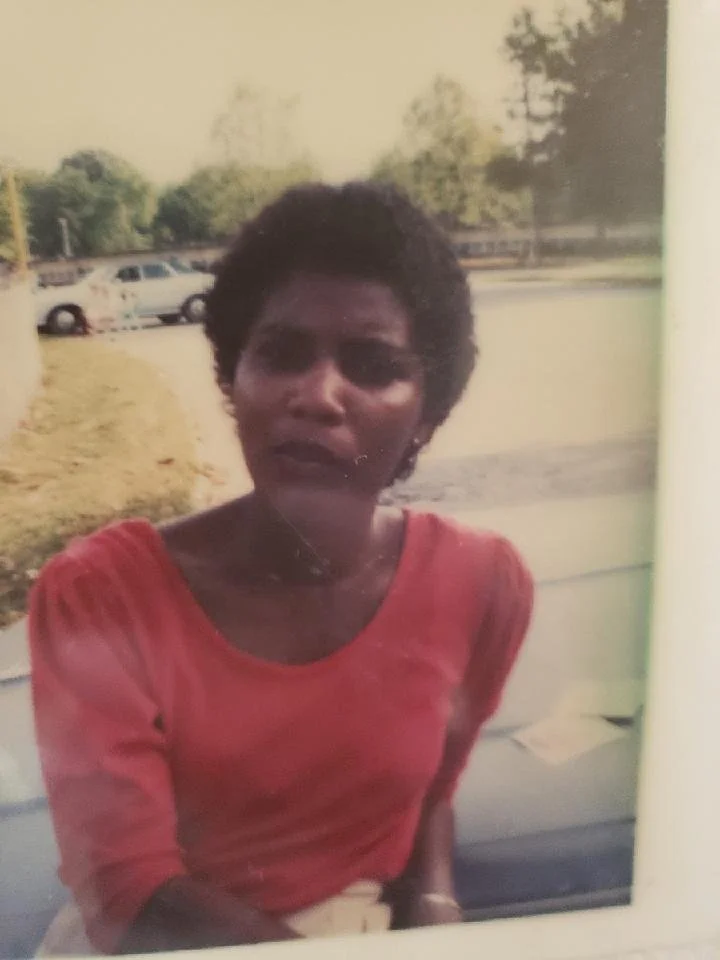
I placed photographs of my ancestors — faces I know, faces I grew up watching, faces that hold whole stories in the lines around their eyes. Seeing them there, looking back at me from that white cloth in the morning light, was the first time I understood viscerally what it means to keep someone present. They are not gone. They are here, in this space I built for them, every single day.
The offerings I chose were specific and deliberate. Tobacco, cigars, gin, rum, and whiskey — because my ancestors enjoyed these things in life, and honoring who they actually were matters more to me than offering them a sanitized version of themselves. Favorite foods are placed on a white plate. Honey, alligator pepper, and red palm oil — traditional Yoruba offerings that connect this altar to something older than memory, older than slavery, older than any name I can call. Flowers for beauty. Water, always, as a conductor between worlds. Cowrie shells for divination, so that communication can move in both directions — not just me speaking to them, but them speaking back through the shells when I need guidance.
Some of the most tender items on my altar are the most personal. Graveyard dirt from my mother's resting place — because she is my ancestor now, and her earth belongs here. The ashes of my best friend. The ashes of my husband's father. These are not symbolic gestures. These are the actual physical remains of people I loved, placed in the center of a sacred space where I tend to them daily. That act of tending — the lighting of candles, the burning of ancestor money, the smoke of palo santo, sage, and sweetgrass moving through the space — is how I tell them: I have not forgotten you. You are still family.
I placed musical instruments and an Apple speaker at the altar because my ancestors loved music. They danced. They sang. They deserve to be honored in the fullness of who they were, not just in grief but in joy. Stones hold the energy of the earth. Lighters stand ready. A journal rests open for what I need to receive and record. A white cloth to cover my head when I sit down — because entering this space requires humility, a physical act of lowering myself before something greater. A meditation pillow is placed in front, because this is not a place I pass by. It is a place I sit down inside of.
When I placed the last item and stepped back and looked at what I had built, I felt something I do not have a precise word for. It was not pride exactly. It was recognition. Like the altar had always been waiting for me to build it, and I had finally arrived.
Meditation and Ritual Experience
Every time I come to my altar, I come prepared to receive. I cover my head with the white cloth — a physical act of submission and reverence —, and I settle onto my meditation pillow. I light the candles. I pour the water. I let the smoke of palo santo, sage, or sweetgrass move through the space first, clearing whatever I have carried in from the world and making room for what is sacred. And then I go still.
What I feel first is always presence. Not an idea of presence, not a mental concept — an actual, embodied arrival. The air shifts. Something settles around and behind me that was not there before I sat down. My body registers it before my mind does — a warmth across my shoulders, a heaviness in my chest that is not grief but fullness, a particular quality of stillness that only comes when I am genuinely not alone. I have sat in enough silence to know the difference between empty quiet and occupied quiet. My altar is never empty, quiet.
I speak out loud. I call names. I pour libations. I tell my ancestors what is happening in my life — where I am struggling, where I am grateful, what I am asking for, what I am releasing. And then I listen. The guidance does not come as a voice, as people might imagine. It comes as a knowing — a thought that arrives with a weight and a clarity different from my own thinking, a direction that suddenly becomes obvious when, a moment before, it was not, a name or a memory that rises unbidden and turns out to be exactly what I needed to sit with.
There have been mornings at my altar where grief moved through me so completely that I wept without knowing whose grief it was — mine, or my grandmother's, or the grief of a woman three generations back whose name I will never know. I have learned not to sort it. Grief that moves is grief that is healing. I let it come through me, and I trust that it is going somewhere.
What this practice has done to my relationship with my ancestors is make it real. Not metaphorical. Not theoretical. They are people I am in an active relationship with — people who show up when I call, who communicate when I am still enough to receive, who have invested in my survival in ways I feel daily. That relationship has changed how I move through the world.
Healing Potential
Ancestral veneration has not been a supplement to my healing journey. It has been the foundation of it. Everything else I do — the Reiki, the womb work, the yoga, the Ifa study — rests on this. Because before you can heal what was passed down to you, you have to be in a relationship with the ones who passed it down. You have to be willing to sit with the wound and the wisdom at the same time, to hold your ancestors in their full humanity — not as saints, not as villains, but as people who survived what they survived and gave you what they had.
My lineage is full of women who could not grieve, could not speak, could not ask for help, could not protect their children, could not heal their own bodies. That is not who they were at their core — it is what their circumstances and their own unhealed wounds made possible for them. When I sit at my altar and tend to them, I am completing the mourning they never had. I am speaking the truth; they had to keep silent. I am offering them the dignity the world refused them while they were living. And every time I do that, something releases — not just spiritually, but in my body, in my nervous system, in the patterns I catch myself repeating and choose differently.
The guidance and protection I receive through this practice is not passive. My ancestors are actively invested in what I am building — in my healing practice, in the way I am raising my daughter, in the lineage I am leaving behind. I feel their protection as a real force in my life. Doors that opened when they should not have. Dangers, I walked away from clean. Clarity that arrived exactly when I needed it and not a moment before. I do not take credit for any of that alone. I am not doing this by myself. I am doing it with an entire lineage behind me, finally given the space to help.
Moving forward, ancestral veneration will remain the daily practice it already is — not as an obligation, but as a relationship. As the most honest spiritual commitment of my life. I am the first in my family to walk this path openly and without apology. That is both a lonely position and a profound one. My altar is proof that the cycle is turning — that someone in this lineage finally built a space where the ancestors are not feared or forgotten or dismissed as superstition, but honored, tended, listened to, and loved. That is healing. Not just for me. For all of us.
Work With Me
Womb Reiki Sessions
For highly sensitive women struggling with womb pain or overwhelm.
Book a session → https://www.alloniarose.com/work-with-us
The Soft Hearts Society™
A community of highly sensitive women who understand what it's like to feel everything.
Join us → https://www.alloniarose.com/softheartssociety
Ancestral Healing for Mothers & Daughters Course
If you and your mother both struggle with sensitivity, heal the pattern together.
Learn more → https://www.alloniarose.com/ancestralhealingformothersanddaughters
To honoring our ancestors,
Allonia
