
On illness, invisible exhaustion, and the sadness we carry quietly
There is something heartbreaking about watching someone you love not feel well.
Especially when you remember the life they were living before things changed.
The activities they enjoyed. The plans they had. The ordinary experiences they should be having.
And suddenly, so much of life revolves around how they're feeling, what they can manage, and what comes next.
People ask how your loved one is doing.
And of course they should.
But sometimes I wonder who remembers to ask the person doing the caregiving how she's doing.
Not whether she's managing.
Not whether things are improving.
But how she's doing. Really.
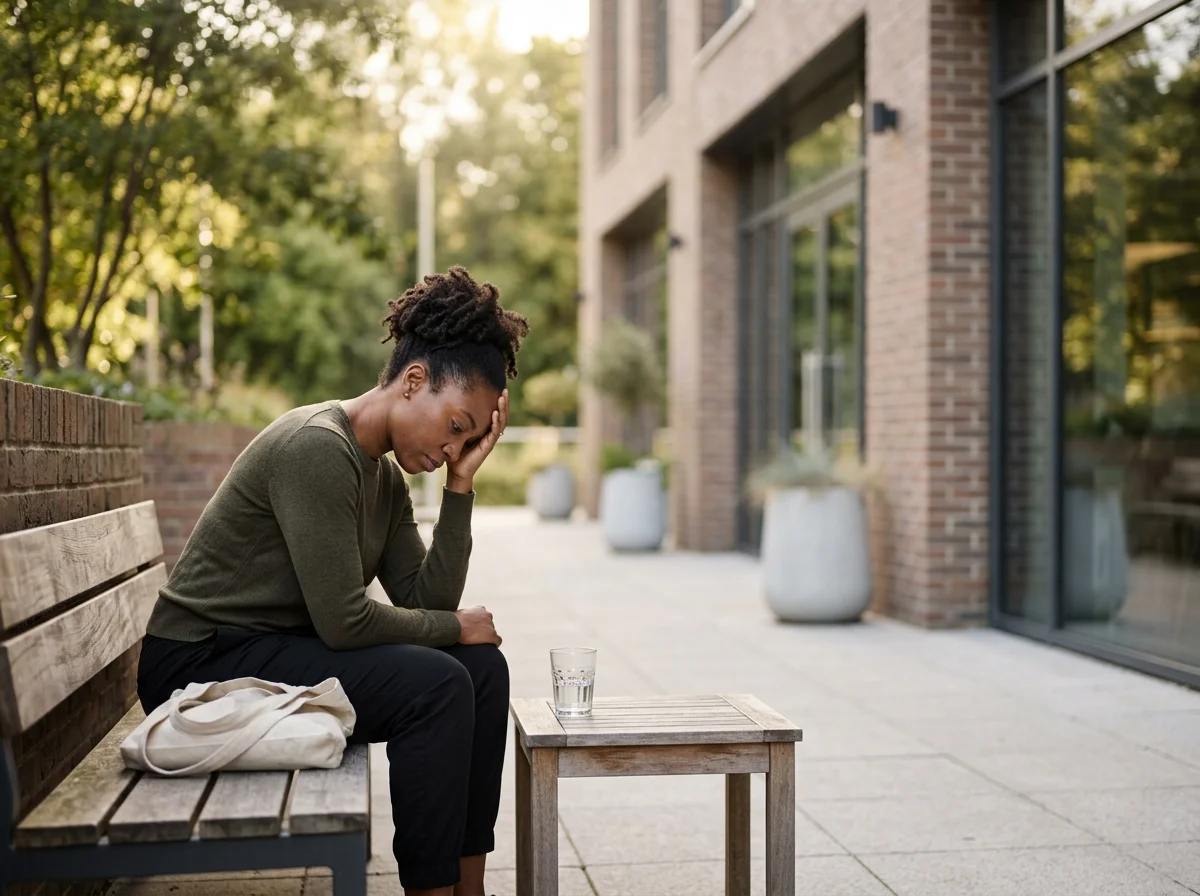
The sadness beneath the responsibilities
There are seasons when love and sadness occupy the same space.
You can be grateful that you're able to care for someone and still feel devastated by what they're experiencing.
You can show up for every responsibility and still feel frightened.
You can be hopeful and uncertain.
And you can love someone with everything in you while wishing you didn't have to watch them suffer.
I'm living in a season that has made me think deeply about these things.
And something I've been sitting with is how much sadness a woman can carry while appearing completely functional.
She gets up. She works. She manages the household. She answers the messages. She handles what needs handling.
Meanwhile, an entirely different conversation is happening inside her.
What if things don't improve?
How much longer can we keep doing this?
Am I doing enough?
When will life feel ordinary again?
Some of those questions don't have answers yet.
And not having answers is exhausting in its own way.
Caregiving is not the same as having unlimited capacity
I want to be careful here.
I'm not suggesting that caring for someone we love is simply another responsibility we should learn to release.
Sometimes a person genuinely depends on us.
Sometimes the care cannot be postponed.
Sometimes the situation isn't something we can set down just because we're tired.
What we need in those seasons isn't another person telling us to establish better boundaries and take a bubble bath.
We may need practical help.
Someone to bring a meal. Someone to remember an appointment. Someone to check in without expecting an upbeat answer.
Someone who understands that we're carrying something difficult even when we don't have the words to describe it.
I've written before about the difference between giving care and becoming consumed by responsibility in When Care Turns Into Carrying.
What I'm sitting with now is another dimension of that conversation: how we care for the caregiver when the responsibility is real and ongoing.

Sometimes I don't need encouragement
Sometimes I don't want someone to tell me everything will be okay.
I know they mean well.
But I want someone to acknowledge that what's happening right now is difficult.
I want room for my sadness.
Room for the tears that sometimes come when everything finally gets quiet.
Room to say I'm tired without someone trying to convince me that I'm strong enough to handle it.
Perhaps you know that feeling, too.
Especially if you're a woman who has spent years being the dependable one.
You may be very good at holding things together.
But you deserve to be held in consideration, too.
A question worth asking
If there's a woman in your life caring for a sick child, a partner, a parent, or another loved one, ask her how she's doing.
And when she answers, listen.
If she says she's exhausted, believe her.
If she cries, she doesn't need to apologize.
If she says she doesn't know what she needs, allow that answer to be enough for the moment.
And perhaps ask whether there's something practical you can help with.
We cannot always make another person's circumstances better.
But we can help them feel less invisible inside those circumstances.
If you're the woman carrying this, I've also written about the kind of rest that makes room for our actual feelings.
You don't have to turn this season into a lesson.
You are allowed to be sad about what is happening.
You are allowed to be tired.
And you deserve care, too.

What I'm Listening to This Season
I've created a Spotify playlist called Soft Hearts Era, filled with music I'm listening to during this season of my life.
Music offers me room for reflection, especially when I don't have the words for everything I'm feeling. I'll continue adding songs as the season unfolds.
If you'd enjoy some music alongside your own quiet moments, you're welcome to listen.
Listen to Soft Hearts Era on Spotify
A Gentle Invitation
If you're longing for a place where you can listen, reflect, or share without pressure, you're welcome at my free weekly Soft Circle.
We gather on Wednesdays at 10 AM Central on Insight Timer. Sharing is always voluntary, and our circles are never recorded.
Come as you are. There is no requirement to have the right words or to share anything before you're ready.
With love and lineage,
Allonia
